TL;DR
- Clean the surface, apply an impregnating sealer in thin coats, let it soak for the time on the label (usually 5-15 minutes), wipe off every bit of excess before it hazes, and let it cure 24 hours.
- Most granite needs resealing every 1 to 5 years depending on porosity.
- The job takes about 30 minutes and costs under $30 in product.
Do you have to seal granite countertops?
No, not always. Granite is a natural igneous rock, and its porosity swings hard from one color to the next. Some slabs are so dense that sealer barely penetrates and the stone protects itself fine. Others drink up liquid fast and stain within minutes of a red wine spill.
Here is how to find out where your stone sits. Dry the countertop completely, pour a few tablespoons of plain water in an out-of-the-way spot, and watch it. If the stone darkens within 5 minutes, it is porous enough to benefit from sealing. If the water sits for 15 to 30 minutes and still beads up with no darkening, the stone is dense and sealing is optional [1].
Black granites like Absolute Black and Black Galaxy, along with many dark blues, are usually so dense that sealer just sits on top and does nothing. Light granites, especially whites and beiges with heavy feldspar content, run more porous and take sealer well [8]. Uba Tuba lands in the middle. Do not seal stone that does not need it. You waste product and risk haze when you push sealer onto a surface that cannot absorb it.
The water test costs nothing and takes three minutes. Run it before you buy a $25 bottle of sealer.
How often should you seal granite countertops?
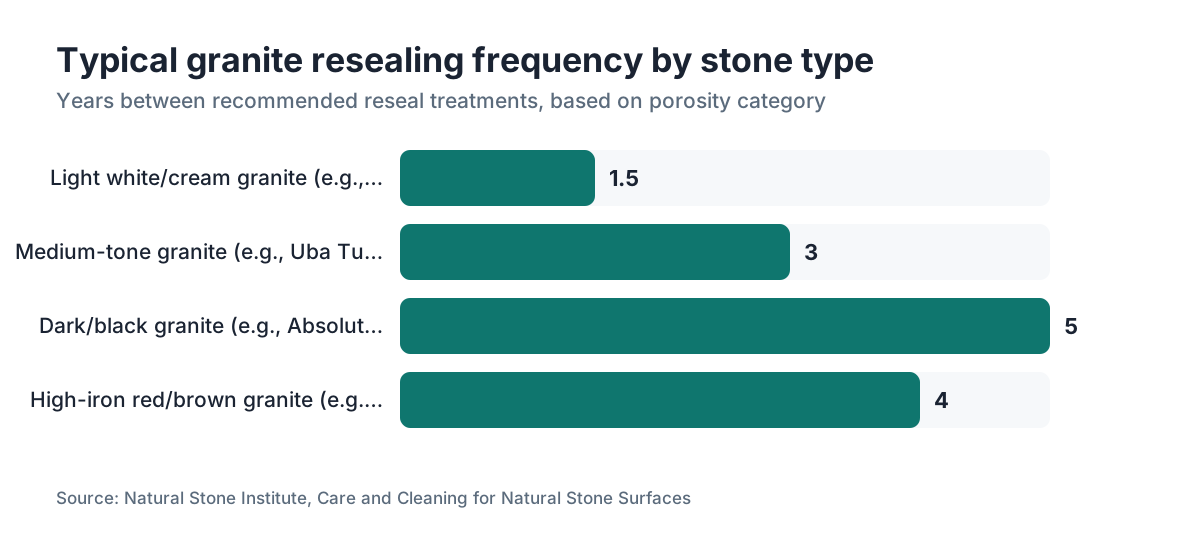
It depends on the stone's porosity and how hard you use the counter, and the range is wide. A porous light granite in a busy kitchen can need resealing every 12 months. A dense dark granite might go 5 years or longer before resealing changes anything you can measure [2].
The Natural Stone Institute (formerly the Marble Institute of America) ties resealing frequency to the stone's absorption rate, the sealer used, and the cleaning products a homeowner reaches for daily. Harsh alkaline or acidic cleaners strip sealer faster than a pH-neutral stone soap does [3].
Skip the calendar. Repeat the water test once a year instead. Pour water on the stone. If it darkens in under 5 minutes, reseal. If it still beads after 15 minutes, leave it alone and check again next year. This reflects what your actual stone is doing, which a fixed schedule never will.
Below is a rough guide by color and porosity. These are generalizations, not rules, because two slabs from the same quarry can behave differently:
| Granite type | Typical resealing frequency |
|---|---|
| Light white or cream (e.g., White Ice, Kashmir White) | Every 1-2 years |
| Medium tone (e.g., Uba Tuba, Venetian Gold) | Every 2-4 years |
| Dark or black (e.g., Absolute Black, Black Galaxy) | Every 4-5 years or skip entirely |
| High-iron red/brown (e.g., Volga Blue, Baltic Brown) | Every 3-5 years |
What kind of sealer should you use on granite?
Use an impregnating sealer, also called a penetrating sealer. It soaks below the surface and fills the micro-pores without leaving a film on top. Film-forming sealers (topical coatings and waxes) sit on the surface, scratch easily, cloud over, and make the stone look plasticky. Fabricators use impregnating sealers almost without exception, and so should you [4].
Within impregnators, you pick between solvent-based and water-based. Solvent-based sealers penetrate deeper and usually last longer, but they smell strong and need real ventilation. Water-based sealers are low-odor, dry faster, and are safer indoors with little airflow, though some pros say they do not hold up as long in a hard-working kitchen [9]. Solvent products fall under the OSHA Hazard Communication Standard, so the label has to spell out ventilation and PPE guidance [7].
If you want the counter back in food contact quickly, look for a sealer tested to ANSI/NSF 51 for food-contact materials [5]. Brands sold at home improvement stores include StoneTech, Miracle Sealants, and Aqua Mix. Their product lines shift over time, so trust the current label over an old online review.
Skip anything sold as a granite "polish" or "enhancer" if your goal is sealing. Those deepen color but do not fill the pores the way an impregnator does. Enhancer-sealers do exist and can do both jobs. Read the label to confirm the product is a true impregnating sealer and more than a topcoat.
What do you need before you start?
The supply list is short. An impregnating granite sealer, one or two clean dry microfiber cloths, a second dry cloth for buffing, isopropyl alcohol or a pH-neutral stone cleaner for prep, rubber gloves (solvent sealers absorb through skin), and ventilation if you are running a solvent formula.
Do not clean with vinegar, dish soap, or bleach before sealing. Vinegar and other acids etch the feldspar and dull the surface. Dish soap leaves a residue that blocks penetration. Bleach can discolor the stone. Isopropyl alcohol (70% or higher) or a purpose-made stone cleaner strips oils and films and leaves nothing behind to fight the sealer [3].
Clear everything off the counter. Sealer goes on in thin coats, and you need clean access to the whole surface, corners and edges included. If you have an undermount sink, tape off the rim so drips do not run into it.
How to seal a granite countertop: the full process
Step 1: Clean and dry the surface completely. Wipe the granite with isopropyl alcohol or a pH-neutral stone cleaner and let it dry at least 30 minutes. The stone has to be bone-dry. Moisture in the pores blocks the sealer and leaves you with a patchy result.
Step 2: Test porosity if you have not already. Run the water test above. If the stone does not absorb water, stop here. It does not need sealing.
Step 3: Apply the sealer in a thin, even coat. Pour or spray a small amount onto the stone and spread it with a clean microfiber cloth in circular or straight strokes. Work in sections of about 2 to 3 square feet so the sealer does not dry before you spread it. Do not puddle it. Thin coats absorb better than thick ones.
Step 4: Let it penetrate. Check the label. Most impregnating sealers need 5 to 15 minutes to soak in. You should see the stone darken slightly as sealer enters the pores. Do not let it dry solid on the surface during this step.
Step 5: Wipe off the excess before it hazes. This is the step most people blow. Sealer left sitting dries into a cloudy, streaky film that is a pain to remove. Before the surface goes tacky or dull (usually inside that 5 to 15 minute window), buff it off hard with a clean dry cloth. You are lifting whatever the stone did not absorb.
Step 6: Apply a second coat if the stone still wants it. On very porous stone, one coat may not saturate the pores. Lay down a second coat the same way, 5 to 10 minutes after the first. The stone absorbs less this time. When it stops darkening and sealer beads on top instead of soaking in, there is enough product in it.
Step 7: Final buff and cure. After the last coat and wipe-off, buff the surface dry with a clean microfiber cloth. Keep it dry and off-limits to heavy use for at least 24 hours. Some sealers call for 48 hours before water contact. Your product label is the authority.
Active time runs about 30 minutes for a typical kitchen. Cure time adds 24 hours of patience.
What if you get sealer haze or streaks?
Miss the window and let sealer dry on the surface, and you get a dull, milky haze. Do not panic. Most water-based sealers soften with a damp cloth and some elbow grease. For solvent-based sealers that dried hard, apply fresh sealer to the hazy area and wipe it off immediately, using the wet product to re-emulsify the dried residue.
When haze fights back, a product made specifically for sealer removal handles it. The Natural Stone Institute recommends checking with your sealer manufacturer for a compatible stripper rather than guessing [3]. Do not reach for acetone or paint thinner without confirming it is safe for your stone finish.
Prevention beats repair every time. Set a timer for 10 minutes when you apply, and start buffing before the surface looks even slightly dull.
How do fabricators seal granite differently from DIY?
Most fabricators seal the stone before installation, either in the shop or right after setting the tops. They use the same impregnating sealers you buy at retail, but they often roll them on with a low-nap roller for speed on big slabs, or spray them with a pump sprayer on very porous material. The chemistry is identical.
One thing fabricators do that homeowners rarely bother with: they check the slab at the supplier, because some distributors pre-seal slabs at the warehouse. Sealing over an existing sealer does no harm, but it is wasted product [4].
If you run a shop and track sealing as part of job cost, software that captures material and labor per job shows where those 20 minutes per install stack up across a month. SlabWise, for one, lets shops add sealer as a line-item in the quoting workflow so it never falls off the invoice.
For homeowners, the fabricator's first seal is not permanent. It buys time. You own the maintenance from the day the crew drives away.
Can you seal granite yourself or should you hire someone?
You can absolutely do this yourself. Sealing granite is one of the few home tasks with almost no risk of causing damage as long as you get the wipe-off timing right. A bottle runs $15 to $30 and covers 100 to 500 square feet depending on porosity, and the job takes under an hour for an average kitchen [6].
Hiring a stone care company makes sense if you also need honing, polishing, or crack repair, since those need professional equipment. For sealing alone, paying someone $100 to $200 in labor when a $20 bottle and 30 minutes of your time gets the same result is a hard sell.
There is one case where paying a pro earns its keep. Big continuous runs (a large island plus perimeter) sealed with a fast-drying solvent product in a warm room punish slow hands. Getting the timing right across that much surface before it hazes takes practice, and a crew has done it dozens of times. Most homeowners have a manageable counter and handle it fine.
What common mistakes actually damage granite during sealing?
The damage mostly happens before and after the sealing, not during it.
Using the wrong cleaner first is the big one. Vinegar, lemon juice, and many all-purpose sprays are acidic and etch the feldspar in granite, leaving dull spots no sealer can fix. Isopropyl alcohol is the safe pre-seal cleaner [3].
Leaving excess sealer on the surface too long is the second most common problem, for the reasons already covered. Haze looks bad and stripping it adds work you did not need.
Sealing a wet or freshly washed stone is another error. Water in the pores physically blocks the sealer. Just cleaned the counter? Wait 30 to 60 minutes before you start.
Sealing stone that was recently waxed, without stripping the wax first, wastes the whole effort. Wax sits over the pores and the sealer cannot reach the stone. Strip it with a stone-safe wax remover, clean with alcohol, then seal.
How does sealing granite compare to caring for other stone countertops?
Granite runs lower-maintenance than marble countertops, which is softer and etches from acid much more easily. Marble needs sealing on the same schedule or tighter, and it still takes damage from the acidic foods granite mostly shrugs off once sealed.
Quartzite countertops are often harder than granite but still porous, and they need sealing on a similar schedule. The water test works there too.
Soapstone countertops never get sealed. Soapstone is naturally non-porous and instead gets mineral oil to darken it evenly and head off the patchy gray look from uneven oxidation. Different chemistry, no sealer.
Engineered quartz like Cambria countertops is non-porous by design, and the maker tells you flat out not to seal it. The resin binder fills the pores during manufacturing. Sealing quartz does nothing and can leave haze.
For rules that apply across materials, how to clean stone countertops covers the shared basics.
Picking a countertop to dodge sealing entirely? Non-porous options like Corian countertops, laminate countertops, or Formica countertops need zero sealing.
How do you know if the sealer is still working?
The water test is the best ongoing check. Dry a spot, pour a tablespoon of water, and watch for 15 minutes. If the stone holds its color and the water beads, the sealer is intact. If it darkens within 5 minutes, the sealer has worn thin there and it is time to reseal.
Mineral oil works as a check too. A few drops on dry stone. If the stone drinks the oil and darkens, it will drink cooking oils and stains the same way.
High-traffic zones around the sink and next to the stove wear sealer faster than the corner under the toaster or the far end of an island. Spot-sealing those worn areas between full reseal cycles is fine and stretches your protection without redoing the whole surface.
Frequently asked questions
How do you seal a granite countertop for the first time?
Clean the dry surface with isopropyl alcohol, let it dry 30 minutes, then apply a thin coat of impregnating sealer with a microfiber cloth. Let it soak for 5 to 15 minutes per the label, then wipe off every bit of excess before it hazes. Buff dry. Add a second coat if the stone is porous enough to still absorb product. Wait 24 hours before water contact.
Do you have to seal granite countertops?
Not always. Very dense granite, especially dark colors like Absolute Black, may need no sealer at all. Run the water test: pour water on dry stone and watch for 5 to 15 minutes. If the stone darkens within 5 minutes, seal it. If water beads for 15 minutes without darkening, sealing is optional. The test takes three minutes and saves you from buying product you do not need.
How often should I seal my granite countertops?
Light-colored, porous granite may need sealing every 1 to 2 years. Dense dark granite can go 4 to 5 years or more. Best schedule: do the water test once a year. Pour water on dry stone. If it darkens within 5 minutes, reseal. If it beads for 15 minutes, skip it. Use patterns and cleaning products, especially harsh ones, change how fast the sealer wears.
What happens if you don't seal granite?
Porous granite without sealer absorbs oils, wine, coffee, and acidic liquids, which stain the stone. The stain can sit in the pores permanently or need a professional poultice to pull it out. Dense granite with no sealer is largely fine. The risk tracks directly with the stone's porosity. The water test tells you which category yours falls into.
Can I use any sealer on granite or does it need to be a specific product?
Use an impregnating (penetrating) sealer rated for natural stone. Avoid topical coatings and wax-based products, which sit on the surface and cause haze and peeling. Water-based impregnators are easier indoors. Solvent-based versions penetrate deeper and may last longer but need ventilation. Check the label for natural stone compatibility before buying.
How long does granite sealer take to dry and cure?
The surface feels dry within an hour for most products. Full cure, meaning the sealer has hardened in the pores and reached maximum stain resistance, takes 24 to 48 hours. The product label sets the cure time for your specific sealer. Keep the surface dry and avoid cooking or setting dishes directly on it during that window.
Can you seal granite countertops yourself or do you need a professional?
You can do it yourself. Sealing granite takes about 30 minutes, costs $15 to $30 in product, and needs no special tools beyond microfiber cloths and gloves. Professional stone care makes sense if you also need polishing or crack repair, but for sealing alone, DIY gets the same result. The one skill that matters is timing the wipe-off of the excess.
What should you clean granite with before sealing it?
Use isopropyl alcohol (70% or higher) or a pH-neutral stone cleaner. Avoid vinegar, lemon juice, bleach, and dish soap. Acidic cleaners etch granite and leave dull spots. Dish soap leaves a film that blocks sealer penetration. Spray, wipe clean, then let the stone dry completely for at least 30 minutes before applying any sealer.
How do you get rid of sealer haze on granite?
If the sealer dried too long and left a milky film, apply a small amount of fresh sealer to the hazy area and wipe it off hard right away. The wet product re-emulsifies the dried residue. For stubborn haze, a purpose-made sealer stripper from the same manufacturer usually works. Avoid acetone or paint thinner without confirming compatibility with your stone finish.
Does sealing granite make it shiny or change how it looks?
Impregnating sealers do not change the sheen or finish of granite. They work below the surface and leave no visible film. The stone looks exactly the same after sealing as before. Enhancer-sealers, a separate category, deepen the color slightly for a wet-look effect. If you want that, it is a deliberate choice, not a side effect of standard sealing.
Is it safe to seal granite countertops in a kitchen with food on them?
Clear everything off the counter before sealing and keep food away until the sealer cures. Look for products tested to ANSI/NSF 51 for food-contact materials if certification matters to you. Once fully cured (24 to 48 hours), impregnating sealers are considered safe for food-contact surfaces by most manufacturers. Read your specific product label for its food-contact guidance.
How do you know if granite is already sealed?
The water test works here too. Pour a tablespoon of water on clean, dry granite and wait 15 minutes. If the stone holds its color and the water beads, either the stone is naturally dense or an existing sealer is working. If the water darkens the stone within 5 minutes, there is no effective sealer present and application is worth doing.
Does granite around the kitchen sink need sealing more often?
Yes. The area around the sink gets constant water, cleaning product contact, and more abrasion from daily use. Sealer wears faster there than anywhere else on the counter. Spot-sealing just that zone once a year, even when the rest of the counter still passes the water test, is reasonable and takes about 10 minutes.
Sources
- Natural Stone Institute, "Care and Cleaning for Natural Stone Surfaces": The water absorption test (observing darkening within 5-30 minutes) is the standard field method to determine whether a granite surface requires sealing.
- University of Minnesota Extension, "Caring for Natural Stone Countertops": Resealing frequency ranges from annually for porous light granites to every 3-5 years for dense stone types.
- Natural Stone Institute, "Recommended Specifications for the Proper Installation and Care of Natural Stone": Alkaline and acidic cleaners degrade impregnating sealers faster than pH-neutral stone soap; the Institute recommends pH-neutral cleaners for routine maintenance.
- Marble Institute of America (now Natural Stone Institute), "Fabrication Manual for Natural Stone": Impregnating sealers are the industry-standard product for natural stone; topical film-forming sealers are not recommended for polished granite surfaces.
- NSF International, ANSI/NSF Standard 51: Food Equipment Materials: ANSI/NSF 51 covers materials that contact food surfaces; sealer manufacturers test to this standard to support food-safe labeling.
- U.S. Bureau of Labor Statistics, Consumer Expenditure Survey (home maintenance products pricing context): Retail granite sealer products typically cost $15-$30 per bottle at major home improvement retailers, with coverage of 100-500 square feet per bottle depending on stone porosity.
- Occupational Safety and Health Administration (OSHA), Hazard Communication Standard (solvent product ventilation requirements): Solvent-based stone sealers are subject to OSHA Hazard Communication Standard requirements; product labels must include ventilation and PPE guidance for safe indoor use.
- U.S. Geological Survey, National Minerals Information Center: Granite is an igneous rock whose porosity varies by mineral composition and crystal size; feldspar-rich lighter granites are generally more porous than dark mafic granite types.
- Natural Stone Institute, Technical Bulletin on Impregnating Sealers: Sealer penetration depth and longevity depend on stone porosity, sealer carrier type (water vs. solvent), and surface preparation quality prior to application.
- NSF International, Certified Products Database: NSF 51 certified sealers are listed in the NSF product database and approved for contact with food-contact surfaces after full cure.
- U.S. Environmental Protection Agency, Safer Choice Program (cleaning product ingredient standards): The EPA Safer Choice program rates cleaning and maintenance products for indoor chemical safety; several stone sealers carry Safer Choice certification for low-VOC formulations.
Last updated 2026-07-09