TL;DR
- Clean marble countertops daily with warm water and a few drops of pH-neutral dish soap, then dry the surface right away with a soft cloth.
- Keep vinegar, bleach, and anything acidic off it.
- For stains, use a baking soda or hydrogen peroxide poultice depending on the stain type.
- Reseal every 6 to 12 months to slow etching and absorption.
What makes marble countertops so hard to clean?
Marble is calcium carbonate. That one fact explains almost every cleaning problem people run into. Calcium carbonate reacts with acids, and the reaction is fast, visible, and permanent if you let it sit. When an acid touches marble, it dissolves a thin layer of the surface in a process called etching. The result is a dull, hazy patch that no amount of scrubbing fixes, because the damage is not dirt. It is the actual surface of the stone [1].
The other complication is porosity. Marble is porous enough that liquids, oils, and pigments seep below the surface when a sealer is not doing its job. Once something soaks in rather than sitting on top, you cannot wipe it away. You need a poultice to draw it back out, and even then results are not guaranteed.
None of this makes marble a bad countertop. It means you clean it differently than granite countertops or laminate countertops. The rules are simple once you know why they exist.
What do you need to clean marble countertops?
You need fewer supplies than most cleaning guides suggest. Here is what actually belongs on your marble shelf:
- Warm water
- pH-neutral dish soap (standard Dawn or similar, not the "ultra degreaser" formulas)
- Several microfiber cloths
- A soft sponge, no scrubbing side
- A spray bottle for mixing and applying
- Stone-specific cleaner (optional, but handy if you want a dedicated product)
- Baking soda and hydrogen peroxide for poultice work when stains show up
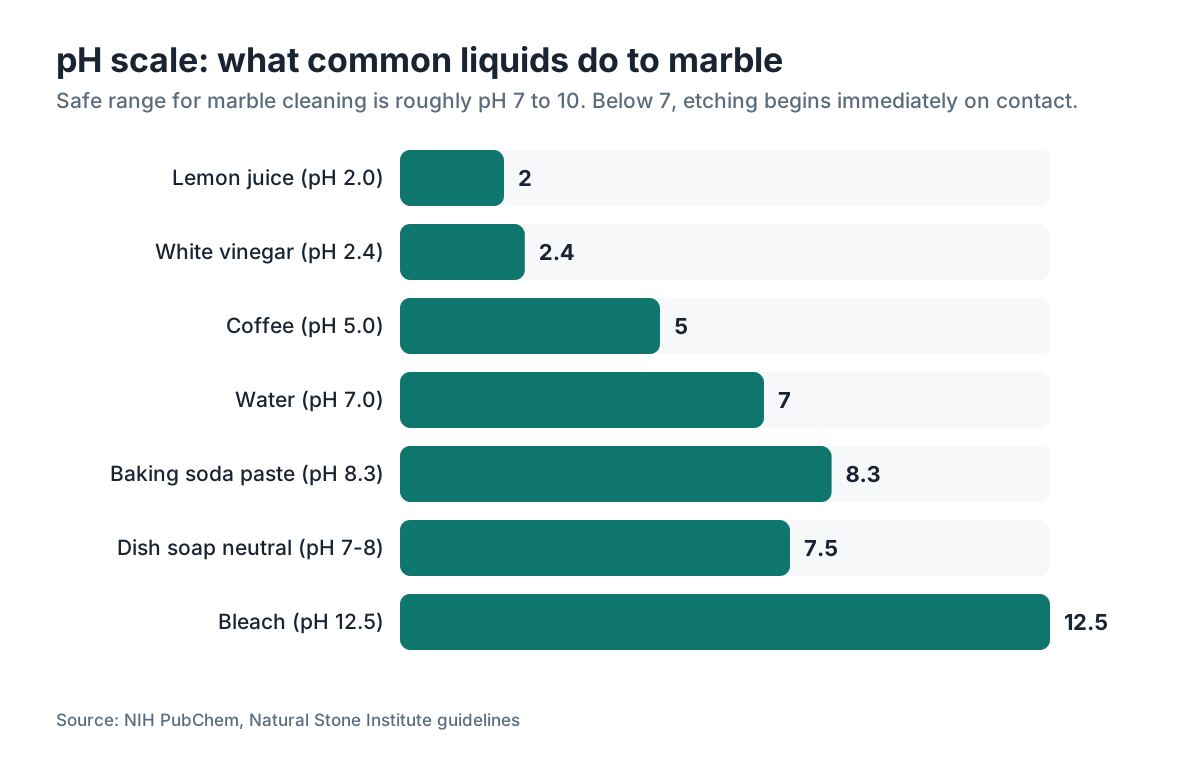
Keep these away from marble entirely: vinegar, lemon juice, wine, citrus-based cleaners, bathroom tile sprays, most multi-surface sprays, bleach, ammonia-based cleaners, and anything with an acidic or extreme-alkaline pH. The Marble Institute of America (now part of the Natural Stone Institute) recommends cleaning natural stone only with products that run pH-neutral to slightly alkaline, not past a pH of about 10 [2].
A dedicated stone cleaner is not required for daily use. Warm water plus neutral soap does the job. Stone cleaners matter more for periodic deeper cleaning, or for someone who would rather skip measuring soap into a bottle.
How do you clean marble countertops day to day?
Daily cleaning is four steps and takes about two minutes.
- Wipe loose debris off with a dry cloth first. Crumbs and grit scratch polished marble if you drag a wet cloth across them.
- Mix a small amount of pH-neutral dish soap into warm water in a spray bottle. A teaspoon per quart is plenty.
- Spray lightly, then wipe with a soft microfiber cloth in overlapping passes. You do not need to scrub.
- Dry the surface right away with a second clean, dry microfiber cloth. Do not let water pool or air-dry on marble.
That last step matters more than people think. Standing water works into any unsealed or partially sealed spots. Tap water minerals also leave marks on polished marble that look like stains but are really hard water buildup.
For fabricators quoting marble countertops to clients: give this a short verbal walkthrough at install. Clients who understand the daily routine call with fewer complaints two months in.
How do you remove stains from marble countertops?
The method depends on what caused the stain. Marble staining falls into a few categories, and the wrong treatment either does nothing or makes things worse.
Oil-based stains (cooking oil, grease, cosmetics): Use a poultice of baking soda and water mixed to peanut-butter consistency. Spread it about a quarter inch thick over the stain, cover with plastic wrap, tape the edges, and leave it 24 to 48 hours. The baking soda absorbs the oil as it dries and pulls it out of the stone. Rinse well with clean water and dry.
Organic stains (coffee, tea, wine, juice, food): Mix baking soda with 12% hydrogen peroxide instead of water. Hydrogen peroxide is a mild oxidizer that lifts organic pigments without the acid risk bleach carries. Same application: thick layer, plastic wrap, 24 to 48 hours, rinse, dry.
Rust stains: These are the hardest. They come from metal objects like cans or hardware sitting on wet marble. A commercial rust remover made for stone (look for controlled oxalic acid concentrations) can work, but it can also lighten the surrounding stone if left too long. The Natural Stone Institute recommends consulting a stone restoration professional for rust stains that do not respond to a first poultice attempt [2].
Etch marks: These look like stains but are not. Etching is surface damage, not absorption. Light etch marks on polished marble can sometimes be buffed out with marble polishing powder, following the product directions closely. Deep or widespread etching needs professional honing and repolishing. No cleaning product fixes etching.
One note on timing. A fresh stain on sealed marble often wipes off with just warm water if you catch it within a minute or two. The poultice is for stains that have already set.
Which cleaning products are safe for marble and which ones will ruin it?
This is where most marble damage happens, and it is almost always because someone reached for a product that works fine on other surfaces.
| Product | Safe for marble? | Why |
|---|---|---|
| pH-neutral dish soap + water | Yes | Neutral pH, no acid or alkali to etch |
| Dedicated stone cleaner | Yes | Formulated for natural stone pH range |
| White vinegar | No | Acetic acid etches marble immediately |
| Lemon/lime juice | No | Citric acid, same problem as vinegar |
| Bleach | No | Strong alkali, damages sealer and stone |
| Ammonia-based cleaners | No | High pH damages sealer, can discolor |
| Hydrogen peroxide (12%) | Limited | Fine for poultice use on stains, not daily cleaning |
| Multi-surface sprays (Windex, etc.) | Most: No | Usually contain ammonia or solvents |
| Baking soda (dry or paste) | Limited | Fine for poultice, avoid abrasive scrubbing on polish |
| Bar Keepers Friend | No | Oxalic acid, will etch |
| "Natural" citrus cleaners | No | Citric acid, often more acidic than vinegar |
The safe pH window for marble runs roughly 7 (neutral) to 10 (mildly alkaline). The Natural Stone Institute's care guidelines are the clearest primary source on this, and most fabricators and restoration specialists use them as the baseline [2].
One category surprises people. Many "granite cleaners" sold at hardware stores are also safe for marble, because they are formulated for calcareous stone. Read the label. If it says safe for marble or natural stone, check the pH claims. If the label says nothing about pH or marble, skip it.
How often should you seal marble countertops?
Most residential marble countertops need resealing every 6 to 12 months. Heavily used kitchen counters land on the short end. Bathroom vanities that stay drier often go a full year or a bit longer [3].
The water drop test tells you when the sealer needs attention. Put a few drops of water on the surface. If the water beads up, the sealer is working. If the water soaks in and darkens the stone within a few minutes, the sealer is depleted and you should reseal soon.
Applying sealer yourself is straightforward. Clean the surface thoroughly and let it dry completely. Apply the impregnating sealer per the product directions, usually wiping it on, letting it penetrate for the stated dwell time (often 5 to 15 minutes), then buffing off the excess before it hazes. Most sealers need 24 hours to cure before the countertop gets wet. The specific product instructions override any general guidance here, because dwell times vary [10].
Here is the distinction people miss. Sealer does not make marble acid-proof. It slows liquid absorption. An acid spill on sealed marble still etches if it sits. The sealer just buys you more time to wipe it up before absorption staining adds to the surface damage. Say that plainly to any client receiving a new marble install.
How do you clean white marble countertops specifically?
White and light marble like Carrara, Calacatta, and Statuario shows everything: stains, etch marks, hard water spots, fingerprints. The method is the same as any marble, but the tolerance for shortcuts is lower.
Dry white marble after every use, more than after heavy use. A damp cloth left on white marble for ten minutes can leave a temporary water mark. Coffee, red wine, and oil show up fast and vivid on a white background, so the sooner you catch a spill, the better your outcome.
Hard water spots are a constant near sinks. If gentle wiping does not clear them, a small amount of marble polishing powder (not acidic limescale remover) rubbed gently by hand can lift minor spots. Acidic limescale removers etch marble even though they work great on tile.
Some white marble owners choose a honed finish over polished specifically because honed surfaces hide etch marks. The matte texture buries what the shine would reveal. That is a finishing choice, not a cleaning one, but it changes how much maintenance feels necessary day to day.
How do you clean marble countertops in a bathroom?
Bathroom marble faces different threats than kitchen marble. Toothpaste, makeup, soap scum, and hard water are the main problems. Toothpaste is tricky because most formulas are mildly abrasive and some carry whitening acids.
Rinse toothpaste off marble right after brushing. Do not let it sit. If it dries, soften it with warm water before wiping instead of scraping.
Soap scum comes off best with a stone-safe cleaner or the warm water and pH-neutral soap routine. The urge to grab a tile-and-grout spray or a bathroom scrubber is the one to fight. Those products almost always contain acids or harsh abrasives.
For hard water buildup at faucet bases, try a damp cloth with a little baking soda paste under very light pressure. It is mildly abrasive but not chemically aggressive. Rinse completely. If buildup is bad, a stone restoration pro has tools (including fine-grit diamond buffing pads) that remove mineral buildup without etching.
Bathroom marble cleaned with the wrong products is one of the more common year-two calls fabricators get. If you are recommending countertop installation to a client with marble in a bathroom, leave a written care card.
Can you use baking soda or hydrogen peroxide on marble?
Both have real uses on marble, but the context decides whether they help or hurt.
Baking soda (sodium bicarbonate) has a pH of about 8.3, which is mildly alkaline and safe for marble [4]. As a dry powder or wet paste for poultice work, it is fine. The risk is scrubbing it hard on polished surfaces, where the fine abrasive dulls the polish over time. Apply gently and rinse it off completely.
Hydrogen peroxide at household strength (3%, the pharmacy kind) is too dilute for effective stain poultices. For marble poultice work, 12% food-grade hydrogen peroxide is the concentration most stone care professionals reach for. At that strength it acts as a mild oxidizer without bringing acid into the mix. It is not a daily cleaner and not something to use on bare stone. Save it for stain treatment as a poultice, thoroughly rinsed.
Neither of these replaces a proper sealer. They fix problems after they happen. The sealer keeps most problems from happening at all.
If you are weighing other stone options, the cleaning chemistry for quartzite countertops is similar to marble in some ways, though quartzite is generally more acid-resistant. And for a lower-maintenance alternative, soapstone countertops follow a different set of rules worth comparing.
What is the best way to clean marble countertops without causing damage long-term?
The best long-term approach is less about any single product and more about a handful of consistent habits.
Keep acids off the surface, always. Wipe up citrus juice, wine, coffee, and vinegar-based salad dressing the moment they land. Not after you finish cooking. Right then.
Use cutting boards and trivets every time. Marble handles heat better than most engineered surfaces, but setting a very hot pan on it is still a bad idea, both from thermal shock and because hot cooking liquids are often acidic. A trivet costs nothing next to a resurfacing job.
Reseal on schedule. The water bead test costs you thirty seconds. Run it monthly. When the water stops beading, buy the impregnating sealer and apply it that week.
Dry the surface after every use in wet areas. This one habit prevents most hard water spots and cuts absorption risk.
Use the right cloth. Microfiber lifts debris without scratching and leaves no lint. Skip Scotch-Brite pads, steel wool, and anything with a scrubbing surface.
For fabricators running jobs and client communication through shop software like SlabWise, a printable care sheet attached to completed marble orders cuts callbacks a lot. The five habits above are what belongs on that sheet.
To compare marble against other natural stones, the how to clean stone countertops guide covers granite, slate, and others in one place.
When should you call a professional for marble countertop restoration?
Some marble problems sit beyond any homeowner cleaning routine, and knowing the line saves both time and money.
Call a stone restoration company when:
- Etch marks cover more than a few square inches or are visibly deep
- The surface has lost its polish over a large area from years of the wrong cleaners
- Rust staining did not respond to a poultice
- There are cracks or chips (repair and fabrication problems, not cleaning ones)
- The sealer sat neglected long enough that oil stains penetrated deeply and poultice attempts stopped drawing them out
Professional restoration usually runs diamond honing (removing a controlled thin layer to get below the etch damage), then polishing with finer and finer grits, ending with a crystallization or polishing compound step. That brings marble back to factory appearance in most cases. Cost varies by region and damage, but honing and polishing typically runs $3 to $8 per square foot, based on contractor pricing surveys, with specific quotes riding heavily on local labor rates [5].
If you had the marble installed and you are now managing maintenance questions, the fabricator who set the stone is a reasonable first call. Most reputable shops can recommend a restoration pro or handle it themselves.
Frequently asked questions
How do you clean marble countertops every day?
Wipe loose crumbs off first, then clean with warm water and a small amount of pH-neutral dish soap on a soft microfiber cloth. The step that matters most is drying the surface right after with a second dry cloth. Never let water or cleaning solution sit on marble. This two-minute routine handles daily grime without risking surface damage.
Can you use vinegar on marble countertops?
No. Vinegar is acetic acid, and acid reacts with the calcium carbonate in marble within seconds. The result is etching, a dull hazy patch where the surface has been chemically dissolved. Etching is not dirt and cannot be wiped away. Even diluted vinegar etches marble with repeated use. Use pH-neutral soap and water instead.
What removes stains from marble countertops?
A poultice is the most effective approach. For oil stains, mix baking soda and water to a thick paste. For organic stains like coffee or wine, mix baking soda with 12% hydrogen peroxide. Spread the paste about a quarter inch thick over the stain, cover with plastic wrap for 24 to 48 hours, then rinse thoroughly. Fresh stains on sealed marble often wipe away with just warm water if caught immediately.
How do you get rid of etch marks on marble?
Light etch marks on polished marble can sometimes be reduced with marble polishing powder applied by hand, following the product instructions. Deep or widespread etching needs professional honing and repolishing. No cleaning product or DIY trick fully removes significant etching, because the stone surface itself has been chemically altered, more than dirtied. Prevention through sealing and acid avoidance is the only reliable answer.
Is it safe to use dish soap on marble?
Yes. A small amount of pH-neutral dish soap in warm water is the standard recommendation for daily marble cleaning. The key is a genuinely neutral formula, not a heavy-duty degreaser or a citrus-scented dish soap, and rinsing the residue off completely. Soap residue left on marble attracts dirt and leaves a film over time. Dry the surface after cleaning.
How often does marble need to be sealed?
Most kitchen marble countertops need resealing every 6 to 12 months. Bathroom marble usually makes it a full year. Test readiness with the water bead test: put a few drops of water on the surface. If it soaks in and darkens the stone within a few minutes rather than beading up, the sealer needs reapplying soon.
Can you use hydrogen peroxide on marble?
Hydrogen peroxide is safe for marble in specific contexts. For poultice stain removal, 12% hydrogen peroxide mixed with baking soda works as a mild oxidizer on organic stains. Standard 3% pharmacy hydrogen peroxide is too weak for that. Do not use hydrogen peroxide as a daily cleaner. Always rinse it off completely after any poultice treatment.
What is the best cleaner for white marble countertops?
The best routine cleaner for white marble is warm water and a small amount of pH-neutral dish soap, followed by immediate drying. Dedicated stone cleaners made for natural stone are a safe upgrade for periodic deeper cleaning. Avoid anything with acids, bleach, or ammonia. White marble shows etch marks and stains more visibly, so quick spill cleanup matters more than the specific product choice.
Why does my marble look dull after cleaning?
Dullness after cleaning usually means one of two things: you used a product that etched the surface, or soap and mineral residue built up and is scattering the light. If the dullness showed up right after using a cleaner with acid or strong chemicals, it is etching. If it developed gradually, rinse the surface very thoroughly with clean water, dry completely, and see if the shine returns. Persistent dullness from etching needs professional polishing.
Can you use a Magic Eraser on marble?
Avoid Magic Erasers on polished marble. They work as a very fine abrasive, and while they are gentle compared to sandpaper, repeated use on polished marble gradually dulls the finish. On a honed surface the risk is lower, but there are still better options. Stick to soft microfiber cloths for daily cleaning and a proper stone cleaner for tougher spots.
Does sealing marble prevent etching?
No. Sealing marble prevents stain absorption by reducing porosity. It does not create an acid-resistant barrier. An acidic liquid on sealed marble still etches the surface on contact. What sealing does is give you slightly more time to wipe up a spill before absorption staining adds to the surface etching. Both sealing and acid avoidance are necessary, not interchangeable.
How do you clean marble countertops around the sink?
The sink area gets the hardest use: standing water, soap, toothpaste in bathrooms, food in kitchens. Dry the sink surround after every use to prevent hard water buildup and seepage into partially sealed spots. For mineral buildup at the faucet base, a baking soda paste applied gently and rinsed completely is safer than any acidic limescale remover. Reseal this area more often than the rest of the surface.
What common household products should you never use on marble?
The main offenders are vinegar, lemon juice, and other citrus acids; bleach; ammonia-based cleaners like many multi-surface sprays and window cleaners; abrasive scrubbing pads; Bar Keepers Friend; and any citrus-based "natural" cleaner. Most bathroom tile sprays and grout cleaners are off-limits too. When in doubt, check the pH or look for label language confirming the product is safe for natural stone or marble.
How long does it take for marble to stain if liquid is spilled?
On well-sealed marble, you may have several minutes to a few hours before a liquid absorbs deeply enough to stain, depending on the liquid and how much sealer is left. On depleted or unsealed marble, pigmented liquids like red wine or coffee can penetrate within minutes. Oils are slower but still set within an hour or two. Wipe spills immediately and you eliminate most of the risk regardless of sealer condition.
Sources
- Natural Stone Institute, Marble Care and Maintenance: Marble is calcium carbonate and reacts with acids through a process called etching that permanently damages the stone surface.
- Natural Stone Institute, Technical Bulletins on Stone Care: The Natural Stone Institute recommends cleaning natural stone with pH-neutral products and cautions against acids and strong alkaline cleaners.
- Marble Institute of America (now Natural Stone Institute), Dimension Stone Design Manual: Residential marble countertops typically require resealing every 6 to 12 months depending on use and location.
- National Institutes of Health, PubChem Compound Summary: Sodium Bicarbonate: Sodium bicarbonate (baking soda) has a pH of approximately 8.3, making it mildly alkaline.
- HomeAdvisor (Angi), Stone Countertop Repair and Restoration Cost Guide: Professional marble honing and polishing typically costs $3 to $8 per square foot depending on region and extent of damage.
- U.S. Geological Survey, Marble Mineral Resources: Marble is a metamorphic rock composed primarily of recrystallized calcium carbonate minerals calcite and dolomite.
- EPA, Safer Choice Program: Cleaning Products: The EPA Safer Choice program evaluates cleaning product formulations including pH range and chemical composition for safety.
- OSHA, Chemical Hazard Communication: Bleach (Sodium Hypochlorite): Sodium hypochlorite (bleach) is a strong oxidizer and alkaline chemical that can damage porous surfaces including natural stone and degrade sealer coatings.
- National Park Service, Technical Preservation Services: NPS preservation guidance recommends the gentlest effective, pH-neutral cleaning agents for historic stone surfaces to avoid chemical alteration.
- Natural Stone Institute, Impregnating Sealers for Natural Stone: Impregnating sealers penetrate into stone pores and slow liquid absorption without creating a surface coating, typically requiring reapplication every 6 to 24 months.
Last updated 2026-07-09