What Is Remnant Stone? Definition & Guide
Quick Definition
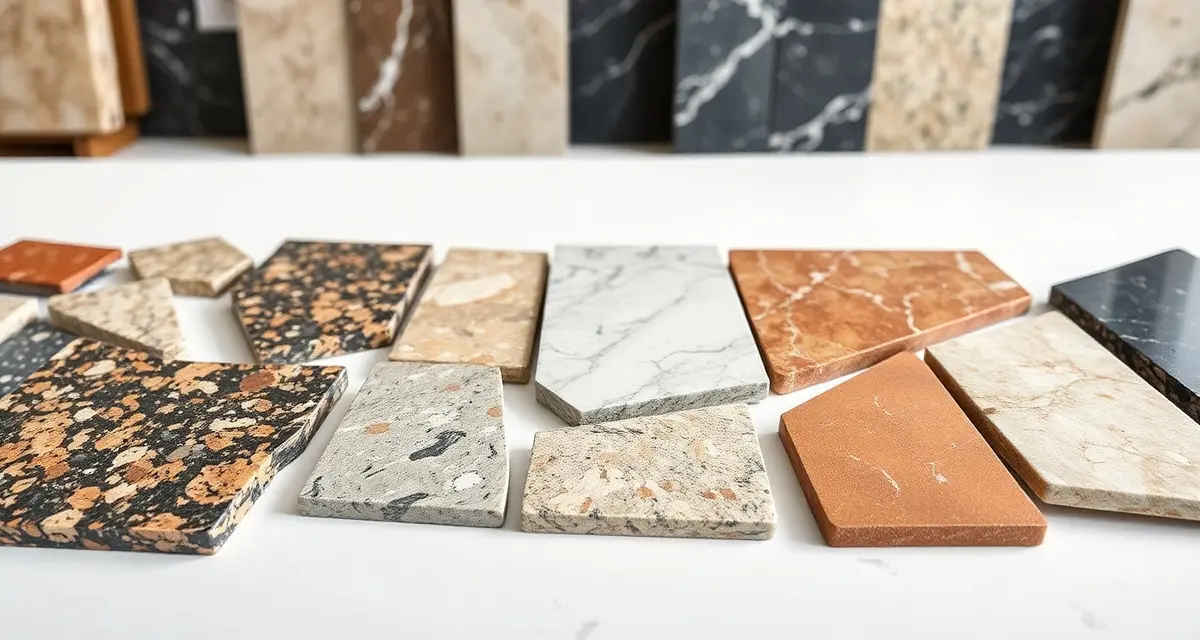
Remnant stone is the leftover material from a larger slab after the primary countertop pieces have been cut. These pieces are too large to discard but too small for most full kitchen jobs. Remnants typically range from 2 to 20 square feet and are commonly used for bathroom vanities, small bar tops, fireplace hearths, side tables, and other compact projects. Managing remnants effectively is a major factor in fabrication shop profitability.
TL;DR
- Remnant stone is the usable material left over after cutting a larger slab for a job
- Typically ranges from 2-20 square feet in size
- Common uses: bathroom vanities, bar tops, hearths, side tables, patch pieces
- Most fabrication shops waste 10-15% of their slab material, much of it as unmanaged remnants
- Tracking and selling remnants can recover $500-$2,000 per month for an average shop
- AI nesting tools reduce remnant creation by optimizing how pieces are cut from slabs
- Remnant inventory management is one of the most overlooked profit opportunities in fabrication
Why Remnant Stone Is a Big Deal for Fabricators
Every time a fabricator cuts a kitchen countertop from a full slab, there's leftover material. Sometimes it's a thin strip. Sometimes it's a substantial chunk - big enough for a bathroom vanity or a laundry room counter. The question is: what happens to that leftover piece?
Calculate your material waste savings
See exactly how much slab material and money you could save with optimized cutting layouts.
Try the free Waste CalculatorIn too many shops, the answer is "it sits in the yard until someone throws it away."
The countertop fabrication industry averages 10-15% material waste across all jobs. For a shop processing $50,000 in stone per month, that's $5,000-$7,500 in material sitting in the remnant pile. Even recovering a fraction of that value makes a meaningful difference to the bottom line.
Common Sizes and Uses for Remnant Stone
| Remnant Size | Typical Uses |
|---|---|
| 2-5 sq ft | Small repair pieces, sample blocks, trivets, cutting boards |
| 5-10 sq ft | Bathroom vanity tops, end tables, window sills |
| 10-15 sq ft | Laundry room counters, small bar tops, desk surfaces |
| 15-20 sq ft | Large vanities, fireplace hearths, utility counters |
| 20+ sq ft | Compact kitchen sections, island tops (rare) |
The most profitable remnant size range is 5-15 square feet. These pieces are large enough to be useful for real projects but are priced significantly below full slab rates, making them attractive to budget-conscious customers.
How Remnants Are Created
Remnants are a natural byproduct of the cutting process. Here's how they typically arise:
Slab-to-Template Mismatch
A standard slab is roughly 55" x 120" (about 46 square feet). Most kitchen countertops require 30-50 square feet of material. When the template pieces are nested onto the slab, the unused areas become remnants.
Shape Irregularities
Slabs aren't perfect rectangles. Natural stone slabs often have irregular edges, corners, or internal defects that force the fabricator to cut around problem areas, leaving odd-shaped remnants.
Over-Ordering
When a job requires slightly more than one slab but much less than two, the second slab produces a large remnant after only a few pieces are cut from it.
Cutout Waste
Material removed for sink and cooktop cutouts is generally too oddly shaped to reuse, but the surrounding material that doesn't get used for the job becomes remnant inventory.
The Business Case for Remnant Management
Revenue Recovery
Selling remnants at discounted rates (typically 30-60% off full slab pricing) turns dead inventory into cash. A shop that sells just 5 remnant pieces per month at an average of $200-$400 each recovers $1,000-$2,000 monthly.
Storage Cost Reduction
Remnants take up valuable shop and yard space. Stone is heavy (granite weighs about 18 lbs per square foot at 3cm thickness), and remnant racks cost money to build and maintain. Selling remnants quickly frees up space.
Customer Acquisition
Remnant buyers - often homeowners doing small bathroom renovations or DIY projects - are future full-kitchen customers. Offering remnants at attractive prices brings new people through your door.
Waste Disposal Savings
Disposing of stone waste costs money. Dumpster fees, hauling costs, and landfill charges add up. Every remnant you sell is one you don't have to pay to throw away.
Reducing Remnant Creation Through Better Nesting
The best way to manage remnants is to create fewer of them in the first place.
Manual Nesting Waste
When fabricators lay out cutting plans manually, they typically achieve 80-85% slab utilization. The remaining 15-20% becomes remnant material and waste.
AI-Optimized Nesting
AI nesting algorithms can push slab utilization to 90-95% by:
- Fitting pieces from multiple jobs onto a single slab
- Rotating and repositioning template pieces to minimize gaps
- Combining small pieces from different projects onto one slab
- Identifying remnant-sized areas and matching them with small upcoming jobs
SlabWise's nesting engine delivers 10-15% better material yield compared to manual layout, directly reducing the volume of remnants produced and saving fabricators $3,000-$8,000 per month in material costs.
Cross-Job Nesting
One of the most effective strategies is nesting pieces from multiple jobs onto the same slab. A bathroom vanity piece from one job might fit perfectly in the unused area of a kitchen slab from another job. This requires software that can manage multi-job nesting - something manual processes can't do efficiently.
Remnant Inventory Best Practices
Track Every Piece
Assign each remnant a unique identifier, record its dimensions, material type, color/pattern, thickness, and condition. Photograph it for easy reference. Shops that don't track remnants lose track of what they have and end up buying new slabs for jobs that could have used existing inventory.
Price Strategically
- Premium materials (Calacatta marble, exotic quartzite): 40-60% of full slab per-sqft price
- Standard materials (popular granite, basic quartz): 30-50% of full slab pricing
- Aged inventory (sitting more than 90 days): 20-40% of full slab pricing
Market Remnants Actively
- List remnants on your website with photos and dimensions
- Post on social media - remnant sales posts often get high engagement
- Notify contractors and designers when popular materials become available
- Consider a monthly "remnant sale" event to move older inventory
Set a Discard Policy
Not every remnant is worth keeping. Pieces under 2 square feet, irregular shapes that can't serve any practical purpose, and damaged material should be disposed of promptly rather than cluttering your yard.
What is remnant stone?
Remnant stone is the leftover material from a larger slab after the primary countertop pieces have been cut. These pieces are typically 2-20 square feet and can be used for smaller projects.
How much cheaper are remnant stone pieces?
Remnants typically sell for 30-60% less than the per-square-foot cost of a full slab, depending on the material, size, and how long the piece has been in inventory.
What can you use remnant stone for?
Bathroom vanity tops, bar tops, fireplace hearths, side tables, window sills, laundry room counters, desk surfaces, and small repair pieces.
How much stone do fabricators waste?
The industry average is 10-15% material waste. For a shop processing $50,000 in stone monthly, that represents $5,000-$7,500 in lost material value.
Can AI reduce remnant stone waste?
Yes. AI nesting algorithms improve slab utilization by 10-15% compared to manual layout, directly reducing the volume of remnants and waste created during fabrication.
How should fabricators store remnant stone?
On dedicated remnant racks, organized by material type, with each piece labeled and photographed. Vertical A-frame racks are the most common storage solution.
Is it worth selling small remnant pieces?
Pieces over 5 square feet are generally worth selling. Below that, the labor of listing, storing, and processing the sale may not justify the revenue. Some shops set a 3-square-foot minimum.
How do you track remnant stone inventory?
Using fabrication management software that records dimensions, material type, photos, and location for each piece. Spreadsheets work for small inventories, but dedicated software scales better.
What's the difference between a remnant and waste?
A remnant is a piece large enough to be used for another project. Waste is material that's too small, irregularly shaped, or damaged to have practical value.
Should fabricators offer remnant stone to homeowners?
Absolutely. Remnant sales bring in revenue, free up storage space, and introduce new customers who may return for larger projects.
How can nesting across multiple jobs reduce remnants?
By fitting small pieces from one job into the unused space of another job's slab, cross-job nesting maximizes utilization and minimizes leftover material.
What materials produce the most valuable remnants?
Premium materials like marble, quartzite, and exotic granite produce the highest-value remnants because even small pieces command strong per-square-foot pricing.
Turn Remnant Waste Into Recovered Revenue
Every remnant sitting unused in your yard is money on the ground. SlabWise's AI nesting engine reduces remnant creation by optimizing slab utilization across multiple jobs - and helps you track the remnants you do have so nothing gets wasted or forgotten.
Start your 14-day free trial →
Try These Free Tools
- Nesting Optimizer -- AI-powered slab layout that maximizes yield considering vein direction and defects.
- Defect Mapping -- Upload a slab photo and AI maps every fissure, pit, and color issue.
- Value Engineering -- Find dollar-quantified suggestions to save material without cutting margin.
Sources & Further Reading
- Natural Stone Institute - Fabrication Guidelines and Best Practices
- International Surface Fabricators Association - Waterjet Cutting Technology Standards
- ASTM International - Standard Guide for Abrasive Waterjet Machining
- OSHA - Safety Guidelines for Waterjet Operations