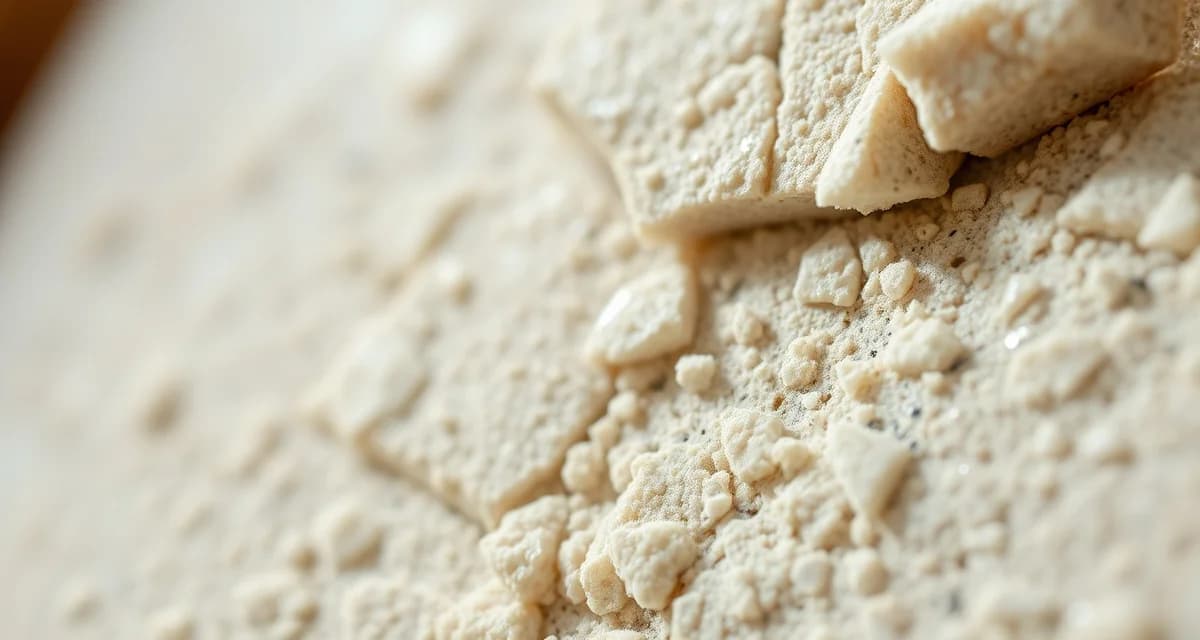
What Is Sintered Stone? Definition & Guide
Quick Definition
Sintered stone is a manufactured mineral surface consolidated with heat and pressure into a dense slab. It is commonly specified for countertops, flooring, cladding, and exterior applications. The term describes a material category, not one universal recipe or performance standard. Composition, slab size, thickness, test results, warranty coverage, and fabrication instructions vary by manufacturer and product family.
Products often compared in this category include Lapitec, Neolith, and Cosentino's Dekton ultracompact surface. Do not assume that one brand's technical data applies to another.
TL;DR
- The category uses mineral raw materials, compaction, and high-temperature processing
- Low water absorption and UV or thermal performance must be checked on the exact technical sheet
- Resin-free construction distinguishes many sintered products from engineered quartz
- Thin and large-format slabs can require specialized handling, cutting, and support
- Fabricators should follow the blade, feed-rate, cutout, edge, and reinforcement rules for the specific brand
- Warranties may distinguish indoor, outdoor, flooring, cladding, and countertop uses
How Sintered Stone Is Made
The manufacturing process compacts mineral raw materials and subjects them to high-temperature firing. A simplified sequence is:
Calculate your material waste savings
See exactly how much slab material and money you could save with optimized cutting layouts.
Try the free Waste Calculator- Raw material selection: Mineral ingredients are selected and prepared
- Mixing: Powders are blended with pigments to create the desired color and pattern
- Compaction: The mixture is pressed into a slab
- High-temperature processing: The compacted material is fired according to the manufacturer's process
- Finishing: The sintered slab is calibrated to exact thickness and finished (polished, honed, or textured)
Exact temperatures, pressure, ingredients, and finishing steps are manufacturer-specific. Treat broad category descriptions as orientation, then use the current product data sheet for engineering and fabrication decisions.
Sintered Stone Properties
| Property to verify | Why it matters | Where to verify it |
|---|---|---|
| Water absorption and porosity | Staining, hygiene, freeze-thaw use | Product-family technical sheet |
| Flexural strength and breaking load | Span, handling, and support decisions | Test report for the exact thickness |
| Thermal shock and heat guidance | Hot-item and fireplace applications | Technical manual and warranty |
| UV or color-fastness testing | Exterior suitability | Manufacturer test report |
| Abrasion and scratch testing | Flooring and work-surface wear | Declared test method and result |
| Available dimensions and thicknesses | Layout, weight, edge build-up, transport | Current slab catalog |
For example, Cosentino's current Dekton technical manual reports different average flexural results across product families and identifies the test methods used. Lapitec publishes its own dimensions, thicknesses, and test data. Those documents are better estimating inputs than a single generic "sintered stone" number.
Common Advantages, Subject to Product Data
- Low water absorption: Many tested products report very low absorption
- Exterior options: Some product families are tested and warranted for UV and weather exposure
- Thin profiles: Large, thin panels can work for cladding and vertical applications
- No resin binder in many products: This can improve high-temperature performance compared with engineered quartz
These are not permission to ignore care guidance. Use trivets when the manufacturer recommends them, check chemical-resistance tables, and confirm whether a finish or color has application-specific limitations.
Fabrication Challenges
Sintered stone requires different handling and tooling than granite or quartz. Many fabrication shops find the learning curve steep.
Brittleness
Despite its hardness, sintered stone is more brittle than quartz. It can crack during cutting if:
- The blade is dull or the wrong type
- The cutting speed is too fast
- The slab isn't fully supported during cutting
- Vibration from the saw isn't properly managed
Specialized Tooling
Standard stone fabrication tools don't always work well on sintered stone:
- Diamond blades must be specifically rated for sintered/porcelain materials
- CNC bits wear faster and need more frequent replacement
- Waterjet cutting is often preferred for complex cutouts to reduce cracking risk
- Edge profiling is limited - laminated edges require special adhesives and techniques
Thin Slab Handling
8mm and 12mm sintered stone slabs are extremely fragile before installation. They require:
- Specialized transport racks and lifting equipment
- Full substrate support during fabrication
- Careful handling by trained workers
- A-frame storage only (never flat-stacked)
Lamination for Thick Edges
To achieve a 3cm edge appearance from thin material, fabricators laminate strips to the underside of the slab edge. This requires precise cutting of the lamination strips and color-matched adhesive to make the joint invisible.
Sintered Stone vs. Other Countertop Materials
| Factor | Sintered Stone | Quartz | Granite | Porcelain |
|---|---|---|---|---|
| Heat guidance | Check model-specific manual | Resin binder can limit heat tolerance | Varies by stone | Check product sheet |
| Exterior use | Often available; verify warranty | Commonly restricted by brand | Often suitable with correct selection | Often available; verify system |
| Scratch and abrasion data | Test-method dependent | Product dependent | Mineral dependent | Product dependent |
| Water absorption | Usually very low; verify result | Low due to binder system | Varies and may require sealing | Usually low |
| Fabrication difficulty | High | Moderate | Moderate | High |
| Brittleness | Moderate-high | Low | Moderate | High |
| Installed price | Quote by brand, thickness, layout, and market | Quote by color and brand | Quote by species and grade | Quote by brand and thickness |
| Outdoor suitability | Verify product and warranty | Often restricted | Verify species and finish | Verify product and installation system |
Applications for Sintered Stone
Outdoor Kitchens
Product families tested and warranted for exterior exposure can be strong outdoor candidates. Confirm UV, freeze-thaw, support, cutout, edge, and warranty requirements for the exact color and thickness.
Indoor Kitchens
Increasingly popular for indoor kitchens, especially among homeowners who want the low-maintenance properties of quartz with better heat performance.
Wall Cladding and Feature Walls
Thin sintered stone panels (8mm-12mm) are used for wall cladding, fireplace surrounds, and architectural features where the material's light weight and large format are advantages.
Commercial Applications
Restaurants, hotels, and commercial kitchens favor sintered stone for its stain resistance, heat tolerance, and durability under heavy use.
Sintered stone: the material and the project
Sintered stone is a manufactured mineral surface consolidated using heat and pressure. Neolith describes this process for its surfaces and lists uses including kitchen worktops, cladding, facades, and furniture. The category name alone does not specify the thickness, finish, support requirements, or installation method for a particular product. Source: Neolith's material explanation.
Separate material selection from fabrication planning
| Question | Useful evidence | Effect on the project |
|---|---|---|
| Which surface am I buying? | Brand, collection, color, finish, thickness, and slab dimensions | Defines the actual material rather than a category average. |
| Will the layout fit? | Part drawings, orientation, seam plan, and usable slab area | Determines whether the job needs another slab. |
| What fabrication is included? | Cutouts, edge treatment, support, handling, and installation scope | Explains why equal square footage can receive different quotes. |
Worked example: square footage is not the same as slab yield
Consider an illustrative 120-by-60-inch slab and two straight countertop pieces, each 96 by 26 inches. This is a geometry example, not a manufacturer specification, measured shop result, or fabrication instruction.
- Gross slab area: 120 x 60 / 144 = 50 square feet.
- Combined part area: 2 x 96 x 26 / 144 = 34.67 square feet.
- Gross area utilization: 34.67 / 50 = 69.3%.
- Area outside those rectangles: approximately 15.33 square feet.
The last figure is not automatically a reusable remnant. Saw cuts, trimming, defects, pattern direction, edges, support, and cutouts can change the usable result. A layout drawing reveals constraints that an area total cannot.
What should a sintered-stone quote include?
Ask for the selected slab and thickness, number of slabs, seam locations, edge build-up, sink and appliance cutouts, delivery, installation, and treatment of remnants. Two quotes are comparable only when their scope and material match.
For a first estimate, use the countertop cost calculator. For shop planning, use the nesting tool to inspect a layout with the actual job inputs, then verify it against the product's fabrication instructions.
What is sintered stone?
Sintered stone is an ultra-compact surface made by fusing natural mineral powders under extreme heat (1200°C+) and pressure, creating a dense, non-porous material for countertops and architectural applications.
Is sintered stone the same as quartz?
No. Quartz countertops use resin binders to hold crushed quartz together. Sintered stone fuses minerals through heat and pressure without resin, giving it superior heat and UV resistance.
Can you put hot pots on sintered stone?
Many sintered products have strong thermal performance, but the safe answer comes from the exact manufacturer's care and warranty documents. A trivet is a low-cost precaution and may still be recommended.
Is sintered stone hard to fabricate?
It requires specialized tools and techniques. The material is harder and more brittle than quartz, leading to higher breakage rates for shops unfamiliar with it.
What brands make sintered stone?
Dekton (Cosentino) is the market leader. Lapitec and Neolith are also well-known sintered stone brands.
Does sintered stone crack easily?
It's resistant to impact in normal use, but it is more brittle than quartz during fabrication. Proper tooling, support, and cutting speeds are essential to prevent cracks.
Is sintered stone good for outdoor use?
Some sintered-stone and ultracompact product families are tested and warranted for exterior use. Verify the specific color, finish, thickness, installation system, climate limitations, and warranty before specifying it outdoors.
How thick is sintered stone?
Available in 8mm, 12mm, 20mm, and 30mm thicknesses. Thinner profiles are used for cladding; thicker profiles for countertops.
Does sintered stone need sealing?
Many sintered products do not require a penetrating sealer because their published water absorption is very low. Follow the care instructions for the exact product and finish rather than applying a category-wide rule.
How much does sintered stone cost?
Installed cost depends on brand, thickness, slab yield, market, edge build-up, cutouts, access, breakage risk, and fabricator experience. Use a local quote based on the actual layout rather than a national category average.
Can sintered stone be bookmatched?
Some manufacturers offer bookmatched sintered stone pairs, though the effect depends on the pattern design. Natural-look patterns work best.
Is sintered stone environmentally friendly?
It uses natural raw materials and the manufacturing process produces a long-lasting product. Some manufacturers emphasize recycled content and energy-efficient production.
Add Sintered Stone to Your Fabrication Capabilities
Sintered stone is a growing market with premium margins. SlabWise helps fabricators manage sintered stone projects alongside traditional materials - from quoting and template verification to nesting and customer communication.
Start your 14-day free trial →
Try These Free Tools
- Nesting Optimizer -- AI-powered slab layout that maximizes yield considering vein direction and defects.
- Defect Mapping -- Upload a slab photo and AI maps every fissure, pit, and color issue.
- Value Engineering -- Find dollar-quantified suggestions to save material without cutting margin.
Sources & Further Reading
- Cosentino Dekton technical manual
- Lapitec 2025 U.S. technical data sheet
- Lapitec technical assistance and test documents
- Natural Stone Institute silica research and fabrication-safety guidance