What Is Natural Stone? Definition & Guide
Quick Definition
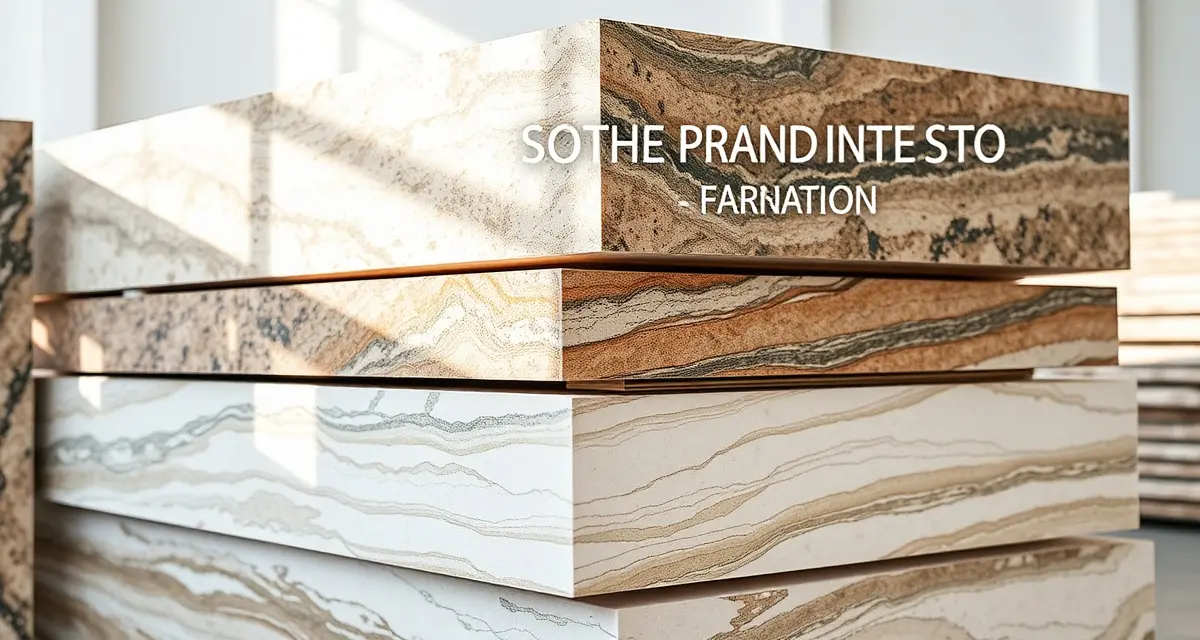
Natural stone in countertop fabrication refers to stone materials quarried directly from the earth and cut into slabs without synthetic binders or manufacturing processes. The primary natural stones used for countertops are granite, marble, quartzite, soapstone, and slate. Each slab is geologically unique - no two pieces are identical - which gives natural stone both its aesthetic appeal and its fabrication challenges. Natural stone requires sealing, careful handling, and slab-specific layout planning.
TL;DR
- Natural stone is quarried from the earth and cut into slabs - no synthetic additives
- Primary types for countertops: granite, marble, quartzite, soapstone, slate
- Every slab is unique - color, veining, and pattern vary within the same quarry
- Requires periodic sealing (most types) because natural stone is porous
- Offers superior heat resistance compared to engineered stone
- More complex to fabricate due to natural variations, defects, and inconsistencies
- Slab selection, vein matching, and defect avoidance are critical fabrication skills
- Represents about 25-30% of the US countertop market
Types of Natural Stone for Countertops
Granite
The workhorse of natural stone countertops. Granite is an igneous rock formed from cooled magma, composed primarily of quartz, feldspar, and mica. It's hard, durable, heat-resistant, and available in a vast range of colors and patterns.
Calculate your material waste savings
See exactly how much slab material and money you could save with optimized cutting layouts.
Try the free Waste Calculator- Hardness: 6-7 Mohs
- Best for: Kitchens, outdoor kitchens, heavy-use surfaces
- Maintenance: Annual sealing recommended
- Price range: $40-$200/sq ft installed
Marble
A metamorphic rock known for its elegant veining and soft, luminous appearance. Marble is softer and more porous than granite, making it susceptible to staining and etching from acidic substances.
- Hardness: 3-5 Mohs
- Best for: Bathroom vanities, low-traffic areas, feature surfaces
- Maintenance: Regular sealing, careful cleaning (no acids)
- Price range: $75-$250/sq ft installed
Quartzite
A metamorphic rock formed when sandstone is subjected to heat and pressure. Often confused with quartz (engineered stone), quartzite is a natural stone with exceptional hardness and dramatic veining.
- Hardness: 7-8 Mohs
- Best for: Kitchens, high-traffic areas, anywhere durability matters
- Maintenance: Annual sealing recommended
- Price range: $70-$200/sq ft installed
Soapstone
A metamorphic rock composed primarily of talc, giving it a smooth, soft feel. Soapstone develops a natural patina over time and is naturally resistant to stains and bacteria.
- Hardness: 1-3 Mohs (very soft)
- Best for: Farmhouse kitchens, laboratory surfaces, period-appropriate homes
- Maintenance: Optional mineral oil application for even patina development
- Price range: $70-$150/sq ft installed
Slate
A fine-grained metamorphic rock with a layered structure. Slate countertops offer a matte, textured surface that suits rustic and contemporary designs alike.
- Hardness: 3-4 Mohs
- Best for: Bar tops, bathroom vanities, accent surfaces
- Maintenance: Periodic sealing, gentle cleaning
- Price range: $50-$150/sq ft installed
Natural Stone Fabrication Considerations
Slab Selection Is Everything
With natural stone, the slab selection process is fundamentally different from engineered materials. Each slab has:
- Unique coloring that varies from the sample in the showroom
- Natural defects (pits, fissures, dry seams) that must be identified and worked around
- Directional veining that affects seam planning and visual flow
- Thickness variations that may require shimming during installation
Fabricators must inspect each slab individually and plan the layout around the specific stone's characteristics.
Defect Management
Natural stone contains geological features that may or may not be structural concerns:
| Feature | Description | Action |
|---|---|---|
| Pit | Small cavity on the slab surface | Fill with color-matched epoxy |
| Fissure | Natural crack-like line in the stone | Assess depth; reinforce if structural |
| Dry seam | A natural separation between mineral layers | Stabilize with resin; avoid placing at stress points |
| Color variation | Natural shift in tone within the slab | Plan layout to minimize visible contrast |
| Inclusion | Foreign mineral embedded in the stone | Assess hardness; may cause tool wear |
Wet Cutting and Dust Control
Like engineered stone, natural stone fabrication generates dust. Granite contains quartz crystals (up to 30% by composition), so silica dust is a concern. Wet cutting is standard practice for both natural and engineered stone.
Sealing
Most natural stone is porous and requires sealing to prevent staining. The fabricator typically applies an initial sealant before or after installation. Homeowners are responsible for resealing annually or as recommended by the sealant manufacturer.
Natural Stone and Digital Fabrication Tools
Natural stone's variability makes it both more rewarding and more challenging to fabricate than engineered materials. Digital tools help manage this complexity:
Slab Photography
High-resolution photos of each slab in inventory allow fabricators to plan layouts digitally - identifying the best areas for countertop pieces while avoiding defects and maintaining vein flow.
AI-Powered Nesting
AI nesting tools can optimize piece placement on natural stone slabs while accounting for:
- Defect zones to avoid
- Vein direction for pattern continuity
- Color-matched areas for multi-piece jobs
- Remnant creation and management
SlabWise's nesting engine handles natural stone's variability by allowing fabricators to mark defect zones and vein directions on the digital slab image, then optimizing around these constraints.
Template Verification
Natural stone's uniqueness means template errors are especially costly - you can't just grab another slab with the same pattern. Verifying templates before cutting natural stone is critical because the material is often irreplaceable.
Natural Stone Market Trends
Natural stone holds about 25-30% of the US countertop market, with granite being the largest segment. Market dynamics include:
- Premium positioning - natural stone is increasingly positioned as a luxury choice
- Unique slab demand - high-end designers seek dramatic, one-of-a-kind slabs
- Bookmatching popularity - natural stone is ideal for bookmatched installations
- Competition from engineered alternatives - quartz has captured much of the mid-market
- Quartzite growth - quartzite's combination of natural beauty and durability is driving increased demand
What counts as natural stone for countertops?
Granite, marble, quartzite, soapstone, and slate are the primary natural stones used for countertops. All are quarried from the earth and cut into slabs without synthetic additives.
Does natural stone need to be sealed?
Most types do. Granite, marble, quartzite, and slate benefit from periodic sealing to prevent staining. Soapstone is naturally non-porous and doesn't require sealing.
Is natural stone more expensive than quartz?
It depends. Basic granite is often less expensive than premium quartz. Exotic granite, marble, and quartzite can be significantly more expensive. The range overlaps considerably.
Can natural stone handle hot pots?
Yes. Granite and quartzite have excellent heat resistance. Marble is more sensitive to thermal shock but handles normal kitchen heat better than engineered quartz.
Why is every natural stone slab different?
Because natural stone is formed by geological processes over millions of years. Mineral composition, temperature, pressure, and chemical exposure all vary, creating unique patterns in every slab.
How do fabricators handle defects in natural stone?
By identifying defects during slab inspection, marking them on the digital slab image, and planning the layout to either avoid the defect or repair it (filling with color-matched epoxy).
Is natural stone harder to fabricate than quartz?
Generally yes, due to the variability. Each slab requires individual assessment for defects, vein direction, and color variation. Engineered stone is more predictable.
What is the most durable natural stone countertop?
Quartzite, followed by granite. Both rate 7+ on the Mohs hardness scale and resist scratches, heat, and normal wear exceptionally well.
Can natural stone be bookmatched?
Yes, and it's the ideal material for bookmatching. Sequential slabs from the same block can create stunning mirror-image patterns that aren't possible with manufactured materials.
Does natural stone contain silica?
Granite contains up to 30% quartz (silica). Quartzite is almost entirely silica. Proper dust control during fabrication is essential for all natural stone types.
How long do natural stone countertops last?
With proper care and sealing, natural stone countertops last decades - often the lifetime of the home. Granite and quartzite are especially long-lasting.
Should I see my actual slab before fabrication?
Absolutely. With natural stone, the installed product may differ from showroom samples. Reputable fabricators invite customers to view and approve their specific slab before cutting.
Fabricate Natural Stone With Precision
Natural stone's uniqueness makes every job a custom project. SlabWise helps fabricators plan natural stone layouts digitally, optimize nesting around defects, and verify templates before committing to irreplaceable material.
Start your 14-day free trial →
Try These Free Tools
- Nesting Optimizer -- AI-powered slab layout that maximizes yield considering vein direction and defects.
- Defect Mapping -- Upload a slab photo and AI maps every fissure, pit, and color issue.
- Value Engineering -- Find dollar-quantified suggestions to save material without cutting margin.
Sources & Further Reading
- Natural Stone Institute - Fabrication Guidelines and Best Practices
- International Surface Fabricators Association - Waterjet Cutting Technology Standards
- ASTM International - Standard Guide for Abrasive Waterjet Machining
- OSHA - Safety Guidelines for Waterjet Operations