What Is Leathered Finish? Definition & Guide
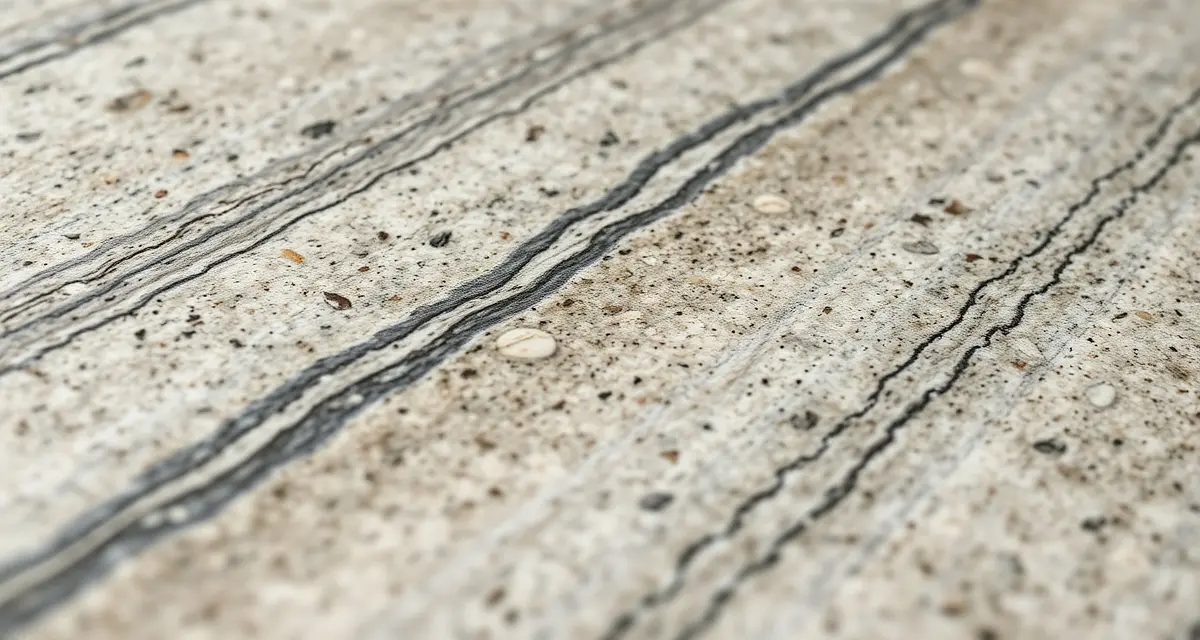
Leathered finish is a stone surface treatment that creates a soft, matte texture resembling the feel of leather. Achieved by running diamond-tipped brushes across a honed slab, this finish retains the stone's natural color depth while adding a subtle tactile dimension. Roughly 15-20% of granite and quartzite countertop orders now request leathered finishes, up from under 5% a decade ago.
TL;DR
- Leathered finish uses diamond-tipped brushes to create a soft, textured matte surface
- It costs $2-$8 more per square foot than a standard polished finish
- Hides fingerprints and water spots far better than polished stone
- Works best on granite and quartzite; not recommended for marble or most quartz
- Fabrication takes 30-50% longer than polishing due to extra brushing passes
- Adds slip resistance, making it popular for outdoor kitchens and bar tops
- Becoming one of the fastest-growing finish trends in residential countertop design
How a Leathered Finish Is Created
The leathering process starts with a honed slab - stone that's been ground to a smooth, matte surface. From there, fabricators use specialized brushing tools to add texture:
Calculate your material waste savings
See exactly how much slab material and money you could save with optimized cutting layouts.
Try the free Waste CalculatorStep-by-Step Process
- Initial honing - The slab is ground with progressively finer diamond pads (typically through 400-grit) to remove the polished surface
- Brushing passes - Diamond-impregnated nylon or Frankfurt brushes run across the surface 3-6 times, following the stone's natural grain
- Texture development - Softer minerals in the stone erode slightly faster than harder minerals, creating the characteristic dimpled texture
- Sealing - The textured surface requires an impregnating sealer to fill the micro-pores created during brushing
- Quality check - The fabricator inspects for consistency across the entire surface
The number of brushing passes determines the texture depth. Lighter brushing (2-3 passes) creates a subtle texture, while heavy brushing (5-6 passes) produces a more pronounced leather-like feel.
Leathered vs. Other Stone Finishes
| Feature | Leathered | Polished | Honed | Flamed |
|---|---|---|---|---|
| Sheen level | Low matte | High gloss | Flat matte | Very flat |
| Texture | Dimpled, tactile | Smooth, glassy | Smooth, flat | Rough, coarse |
| Fingerprint visibility | Very low | Very high | Medium | Very low |
| Color intensity | Medium-high | Highest | Medium | Low |
| Slip resistance | Good | Poor | Fair | Excellent |
| Maintenance difficulty | Low | Medium | Medium-high | Low |
| Cost premium (per sq ft) | +$2-$8 | Baseline | +$0-$3 | +$5-$12 |
| Best for | Kitchens, bars | Formal kitchens | Bathrooms | Outdoor |
Best Stones for Leathered Finish
Not every stone type takes a leathered finish well. The process depends on the stone having a mix of mineral hardnesses to create that characteristic texture.
Excellent Candidates
- Black granite (Absolute Black, Black Pearl) - The contrast between feldspar and quartz crystals creates a striking dimpled texture
- Quartzite (Taj Mahal, Fantasy Brown) - Hard enough to hold the texture without becoming too rough
- Dark granites (Steel Grey, Blue Pearl) - Mineral variation produces beautiful depth
Good Candidates
- Medium-toned granite (Colonial White, Bianco Antico) - Produces a subtle texture
- Soapstone - Already has a natural leather-like feel that brushing enhances
Poor Candidates
- Marble - Too soft and porous; leathering opens the grain to staining
- Engineered quartz - Uniform composition doesn't create the mineral variation needed for texture
- Limestone - Extremely porous when textured; impractical for kitchens
Cost Considerations for Fabricators
Leathered finishes impact your shop's production time and pricing:
Added Production Time
- Honing: 15-20 minutes per slab (if starting from polished)
- Brushing passes: 25-45 minutes per slab (3-6 passes)
- Sealing: 10-15 minutes per slab (needs more sealer than polished)
- Total added time: 50-80 minutes vs. a standard polished finish
Pricing Impact
Most fabricators charge a $2-$8/sq ft premium for leathered finishes. On a typical 45 sq ft kitchen countertop, that's $90-$360 in additional revenue per job. Given the extra 50-80 minutes of labor, the margin depends heavily on your shop's labor rate.
Tooling Costs
- Diamond brushing tools: $150-$400 per set
- Tool life: 800-1,200 sq ft per set
- Cost per square foot (tooling only): $0.15-$0.50
Pros and Cons of Leathered Finish
Pros
- Hides fingerprints and smudges - The #1 reason homeowners choose leathered, especially for dark stones
- Retains color depth - Unlike honed finishes, leathered maintains 80-90% of the stone's color saturation
- Slip-resistant surface - Ideal for wet areas, outdoor kitchens, and bar tops
- Unique appearance - Each slab leathers differently based on mineral composition
- Low maintenance - Water spots and daily wear are far less visible than on polished stone
Cons
- Higher fabrication cost - 30-50% more production time compared to polishing
- Not suitable for all stones - Marble, limestone, and engineered quartz don't leather well
- Requires more sealer - The textured surface has more micro-pores to protect
- Can feel rough to some people - The texture isn't for everyone; always provide a sample
- Harder to deep-clean - Food particles can settle into the texture's dimples
Fabrication Tips for Leathered Finishes
Tip 1: Always provide a physical sample. Customers can't visualize leathered from photos alone. Keep a 6"x6" sample of your most popular stones with leathered finishes in your showroom.
Tip 2: Test a small area first. Different areas of the same slab can leather differently depending on mineral density. Run a test patch before committing to the full slab.
Tip 3: Adjust seam expectations. Seams on leathered surfaces are more visible than on polished because the texture changes at the joint. Discuss this with customers upfront.
Tip 4: Use the right sealer. Penetrating sealers (not topical coatings) work best on leathered stone. Apply 2 coats minimum, with 15-20 minutes between applications.
Tip 5: Document the finish in your job packet. Include photos of the specific texture achieved, so your installation crew knows what to expect at the customer's home.
How much does a leathered finish add to countertop cost?
A leathered finish typically adds $2-$8 per square foot to the material and fabrication cost. On a standard 45 sq ft kitchen countertop, expect an additional $90-$360. The exact premium depends on the stone type, your market, and the fabricator's experience with the process.
Is leathered finish more durable than polished?
Leathered finishes are more practical for daily use because they hide scratches, fingerprints, and water spots better than polished surfaces. However, they aren't inherently harder - the stone's mineral composition determines durability. Leathered granite is just as hard as polished granite; it simply shows less wear.
Can you leather engineered quartz countertops?
Engineered quartz (like Caesarstone or Silestone) doesn't leather well because its uniform resin-and-mineral composition lacks the natural mineral variation that creates the leathered texture. Some manufacturers offer factory-applied "leathered look" finishes, but they lack the tactile depth of natural stone leathering.
Does leathered finish stain more easily than polished?
Yes, leathered finishes are slightly more susceptible to staining because the brushing process creates micro-pores in the surface. Proper sealing (2 coats of a penetrating impregnator) mitigates this risk significantly. Re-seal annually for best protection, compared to every 2-3 years for polished stone.
What's the difference between leathered and brushed finish?
Leathered and brushed finishes are very similar, and many fabricators use the terms interchangeably. Technically, a brushed finish uses lighter pressure and fewer passes, creating a smoother texture. Leathered uses more aggressive brushing for a deeper, more pronounced dimpled surface. The distinction varies by region and shop.
Can you leather marble countertops?
It's technically possible but generally not recommended. Marble is softer (3-4 on the Mohs scale vs. 6-7 for granite) and more porous. Leathering opens the marble's grain structure, making it extremely vulnerable to staining from oils, wine, and acidic foods. If a client insists, use a dense marble like Carrara and seal it heavily.
How do you clean a leathered countertop?
Clean leathered surfaces with warm water and a pH-neutral stone cleaner. Avoid acidic cleaners (vinegar, lemon) and abrasive scrubbers. For food stuck in the texture's dimples, use a soft nylon brush. Dry with a microfiber cloth. Deep clean monthly with a stone-specific degreaser to prevent buildup in the textured surface.
Is leathered finish a trend or here to stay?
Leathered finishes have been growing consistently for over a decade, with market share rising from under 5% to 15-20% of countertop orders. Design professionals increasingly recommend leathered for its blend of aesthetics and practicality. It's moved beyond "trend" status into a standard finish option that most fabrication shops should be equipped to offer.
What tools do I need to offer leathered finishes?
You'll need diamond-impregnated Frankfurt or Fickert brushes compatible with your existing CNC or bridge saw. A set of brushes runs $150-$400 and lasts 800-1,200 sq ft. You'll also need a honing pad set if you're starting from polished slabs. Total investment to add leathering capability: $500-$1,200.
Does leathered finish work for outdoor countertops?
Leathered finish is one of the best options for outdoor countertops. The texture provides better slip resistance when wet, doesn't show weathering as quickly as polished stone, and the matte appearance suits outdoor design aesthetics. Pair it with a dense granite or quartzite for the most durable outdoor application.
Track Every Finish Type in Your Shop
Different finishes mean different production times, tooling costs, and pricing. SlabWise lets you assign finish types to every job, track fabrication time per finish, and ensure your quotes account for the real cost of leathered, honed, and specialty finishes.
Start Your 14-Day Free Trial → No credit card required.
Try These Free Tools
- Cost Calculator -- Get instant countertop cost estimates by material, edge profile, and square footage.
- Compare Materials -- Side-by-side material comparison with pricing, durability, and maintenance ratings.
- Edge Profile Selector -- Browse edge profiles with cost impact and visual previews.
Sources & Further Reading
- National Kitchen & Bath Association - Cabinet Frame Construction Standards
- International Surface Fabricators Association - Support Frame Requirements for Stone Installation
- Natural Stone Institute - Structural Framing Guidelines for Natural Stone Applications
- ASTM International - ASTM C1242 Standard Guide for Selection, Design, and Installation of Dimension Stone Attachment Systems