What Is Flamed Finish? Definition & Guide
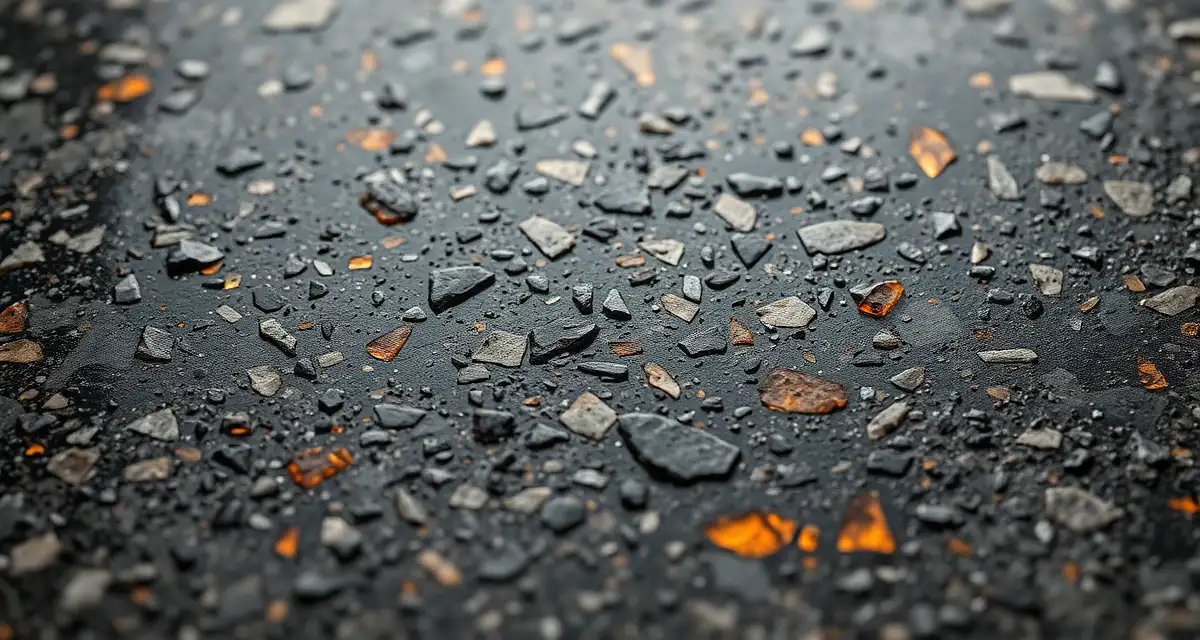
Flamed finish (also called thermal finish) is a rough, textured stone surface created by exposing the slab face to a high-temperature acetylene or propane torch at 1,800-2,400°F. The intense heat causes the mineral crystals in the stone to shatter and pop, leaving a coarse, naturally slip-resistant surface. Flamed finishes are used on approximately 10-15% of granite installations, primarily for outdoor countertops, pool surrounds, walkways, and commercial flooring.
TL;DR
- Created by heating stone to 1,800-2,400°F with a high-temperature torch
- Produces a rough, textured surface with excellent slip resistance (COF of 0.65-0.80)
- Costs $5-$12 more per square foot than polished finish
- Works only on crystalline stones like granite and quartzite - not marble or quartz
- Most common application: outdoor kitchens, pool decks, and commercial flooring
- Lightens stone color by 20-40% compared to polished
- Not typically used for indoor kitchen countertops due to rough texture
How Flaming Works
The flaming process relies on differential thermal expansion. When high heat hits the stone surface, different minerals expand at different rates. Quartz crystals expand faster than feldspar, causing them to fracture and pop out of the surface.
Calculate your material waste savings
See exactly how much slab material and money you could save with optimized cutting layouts.
Try the free Waste CalculatorThe Process Step by Step
- Preparation - The slab is laid flat on a stable, heat-resistant surface. The stone must be dry; moisture causes explosive spalling
- Torch application - An acetylene or propane torch (2,000-2,400°F) is passed across the surface at a consistent speed of 3-6 inches per second
- Crystal fracturing - The heat shock causes surface minerals to shatter, creating a rough texture 1-3mm deep
- Cooling - The slab is allowed to air-cool naturally. Water quenching is avoided to prevent cracking
- Cleaning - Loose mineral fragments are brushed or blown away
- Optional brushing - Some fabricators follow flaming with a light brush pass to soften the texture slightly
Equipment Required
- Flaming torch unit: $2,000-$5,000
- Gas supply (acetylene or propane): $50-$100 per slab
- Heat-resistant work surface: $500-$1,500
- Safety equipment (heat shield, gloves, face protection): $200-$400
Which Stones Can Be Flamed?
Flaming only works on stones with crystalline mineral structures - specifically those containing quartz and feldspar.
| Stone Type | Can Be Flamed? | Result Quality | Notes |
|---|---|---|---|
| Granite | Yes | Excellent | Best results with medium-to-coarse grain |
| Quartzite | Yes | Good | May require higher temperatures |
| Gabbro (Black granite) | Yes | Good | Produces a distinctive light gray texture |
| Basalt | Yes | Fair | Fine grain limits texture depth |
| Marble | No | N/A | Calcite decomposes at high heat, turns to powder |
| Engineered quartz | No | N/A | Resin binder melts and burns |
| Limestone | No | N/A | Same calcite issue as marble |
| Soapstone | No | N/A | Talc doesn't fracture properly under heat |
Flamed Finish Characteristics
Surface Texture
The texture depth depends on the stone's grain size. Coarse-grained granites (like Giallo Ornamentale) produce a deeper, more dramatic texture. Fine-grained granites (like Impala Black) produce a subtler, more uniform texture.
Color Change
Flaming significantly alters the stone's appearance. The fractured surface scatters light rather than reflecting it, which:
- Lightens the overall color by 20-40%
- Reduces visible veining and pattern detail
- Creates a matte, almost chalky appearance
- Turns black granite to medium gray
Slip Resistance
This is flamed finish's primary selling point. The coefficient of friction (COF) for flamed granite ranges from 0.65-0.80, compared to:
- Polished: 0.25-0.35 (wet)
- Honed: 0.40-0.55 (wet)
- Flamed: 0.65-0.80 (wet)
The ADA requires a minimum COF of 0.42 for accessible surfaces. Flamed finishes exceed this even when wet.
Applications for Flamed Finish
Primary Applications
- Outdoor kitchen countertops - Weather-resistant and slip-resistant when wet from rain
- Pool surrounds and coping - The rough texture provides excellent grip with wet feet
- Exterior cladding - Popular for commercial building facades
- Commercial flooring - Malls, lobbies, and public spaces where wet-floor liability is a concern
- Stair treads - Building codes often require textured finishes on exterior stone stairs
Why Flamed Is Rarely Used for Indoor Kitchens
- The rough texture traps food particles and is harder to clean
- Cutting directly on the surface is impractical (food preparation)
- Crumbs and spills settle into the texture
- Most homeowners prefer the feel of smooth surfaces for indoor use
Cost Breakdown
| Cost Component | Per Square Foot | Per Slab (50 sq ft) |
|---|---|---|
| Flaming labor | $3-$6 | $150-$300 |
| Gas/fuel | $1-$2 | $50-$100 |
| Tooling wear | $0.50-$1 | $25-$50 |
| Added sealing | $0.50-$1 | $25-$50 |
| Total premium over polished | $5-$12 | $250-$500 |
Flaming is a slower process than polishing (15-25 minutes per slab for flaming vs. 8-12 minutes for polishing), and it requires specialized equipment and safety protocols. These factors drive the higher price.
Flamed vs. Other Textured Finishes
| Feature | Flamed | Leathered | Bush-hammered | Sandblasted |
|---|---|---|---|---|
| Texture depth | Deep (1-3mm) | Shallow (0.5-1mm) | Medium (1-2mm) | Medium (0.5-1.5mm) |
| Slip resistance | Excellent | Good | Excellent | Good |
| Color retention | Low (60-80%) | High (80-90%) | Medium (70-80%) | Low (60-75%) |
| Indoor suitability | Poor | Excellent | Fair | Fair |
| Outdoor suitability | Excellent | Good | Excellent | Good |
| Production method | Heat | Diamond brushes | Pneumatic hammer | Abrasive blast |
| Cost premium | $5-$12/sq ft | $2-$8/sq ft | $6-$14/sq ft | $4-$10/sq ft |
Safety Considerations
Flaming involves extreme heat and potential for flying stone fragments. OSHA regulations require:
- Heat-resistant gloves and apron - Minimum 2,400°F rating
- Face shield and safety glasses - Protection from popping mineral fragments
- Adequate ventilation - Torch gases and stone dust require proper airflow
- Fire suppression nearby - Keep a rated fire extinguisher within 10 feet
- Training - All operators should complete torch safety training before use
- Dry stone only - Wet stone can explode violently when heated rapidly
What is the difference between flamed and thermal finish?
Flamed and thermal are the same finish - different names for the same process. "Thermal" is more common in architectural specifications, while "flamed" is more common in the fabrication and countertop industry. Both refer to using high-heat torches to fracture the stone's surface crystals.
Can you flame marble?
No. Marble is composed primarily of calcite (calcium carbonate), which decomposes into calcium oxide and carbon dioxide at high temperatures. Instead of creating a textured surface, the heat literally turns marble to powder. For textured marble, use a honed or bush-hammered finish instead.
How much does flamed granite cost?
Flamed granite typically costs $5-$12 per square foot more than the same granite with a polished finish. For a 45 sq ft outdoor kitchen countertop, expect a premium of $225-$540. The total installed cost for flamed granite countertops averages $55-$95/sq ft including material, fabrication, and installation.
Is flamed finish good for outdoor kitchens?
Flamed finish is one of the best options for outdoor kitchens. The rough texture provides excellent slip resistance when wet from rain, doesn't show weathering as quickly as polished stone, and handles UV exposure without fading. Pair it with a dense granite like Absolute Black, Steel Grey, or Giallo Ornamentale for best results.
Does flamed stone need to be sealed?
Yes. The fractured surface created by flaming is more porous than polished or honed stone. Apply a penetrating impregnating sealer every 6-12 months for outdoor applications, or annually for covered areas. Use a sealer rated for exterior use if the surface will be exposed to rain and weather.
Can you polish a flamed surface back to glossy?
Yes, but it requires re-grinding through all polishing stages (50 grit through 3,000+ grit), which is essentially starting from scratch. The cost is $15-$25/sq ft for field re-polishing of a flamed surface. It's labor-intensive and typically not economical - better to use a new slab if you want a polished finish.
Why does flamed stone look lighter?
The fractured crystal surface scatters light in all directions instead of reflecting it uniformly like polished stone. This light scattering effect makes the surface appear 20-40% lighter. Black granites turn gray, dark reds become pink, and patterns lose definition. Always show customers a flamed sample before committing.
What stones give the best flamed finish?
Coarse-grained granites with high quartz content produce the best flamed finishes. Top choices include Giallo Ornamentale (dramatic gold-brown texture), Absolute Black (clean gray-charcoal), Steel Grey (uniform dark texture), and Colonial Gold (warm, multi-toned). The larger the grain structure, the more pronounced the flamed texture.
Is flamed finish rough to the touch?
Yes, flamed finish has a noticeably rough, gritty texture - similar to fine sandpaper. This makes it excellent for grip and slip resistance but uncomfortable for casual hand contact. It's not ideal for surfaces where people rest their arms (like a dining bar) or for indoor areas where children might bump against it.
How long does flaming a slab take?
Flaming a standard slab (approximately 55-60 sq ft) takes 15-25 minutes for the actual torch work, plus 10-15 minutes for setup and cooling. Total production time is roughly 30-45 minutes per slab. This is longer than polishing (8-12 minutes on CNC) and contributes to the higher cost of flamed finishes.
Manage Specialty Finishes Without the Guesswork
Flamed, leathered, bush-hammered - each finish has different production times, costs, and equipment needs. SlabWise lets you track finish types per job, adjust scheduling for specialty work, and ensure your quotes accurately reflect the real cost of every finish option.
Start Your 14-Day Free Trial → No credit card required.
Try These Free Tools
- Cost Calculator -- Get instant countertop cost estimates by material and square footage.
- Kitchen Visualizer -- Upload a kitchen photo and preview different materials in place.
- Template Compare -- Upload two templates and see every dimension change highlighted.