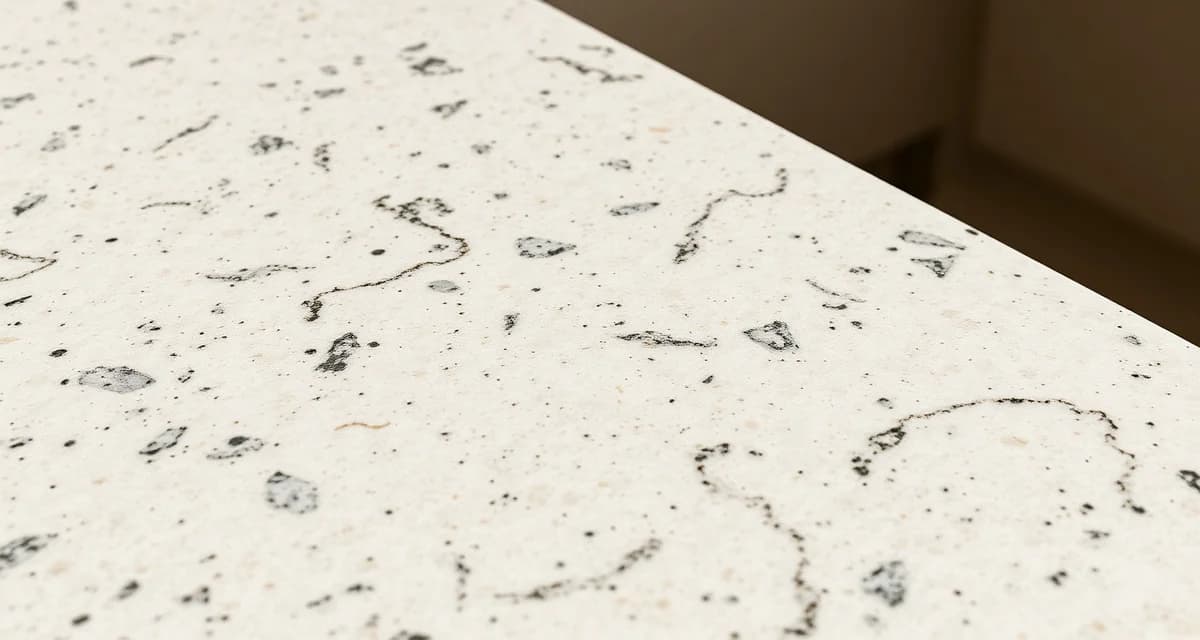
What Is Brushed Finish? Definition & Guide
Brushed finish is a lightly textured stone surface created by passing wire or diamond-impregnated brushes across a honed slab. The process produces a subtle, worn texture that's smoother than leathered but more tactile than honed - often described as an "antiqued" or "aged" look. Brushed finishes represent roughly 8-12% of specialty finish orders in U.S. fabrication shops, with growing demand in farmhouse and transitional kitchen designs.
TL;DR
- Created by running wire or diamond brushes across a honed stone surface
- Lighter texture than leathered finish - uses fewer passes and less pressure
- Costs $2-$6 per square foot more than standard polished
- Hides fingerprints and water spots nearly as well as leathered
- Retains 85-90% of the stone's natural color depth
- Works best on granite, quartzite, and schist; not ideal for marble
- Sometimes called "antiqued" finish - the terms are often used interchangeably
How Brushed Finish Differs from Leathered
Many fabricators and customers confuse brushed and leathered finishes. The processes are similar, but the results differ:
Calculate your material waste savings
See exactly how much slab material and money you could save with optimized cutting layouts.
Try the free Waste Calculator| Characteristic | Brushed | Leathered |
|---|---|---|
| Brushing passes | 1-3 passes | 3-6 passes |
| Pressure applied | Light to medium | Medium to heavy |
| Texture depth | 0.2-0.5mm | 0.5-1.0mm |
| Touch feel | Soft, slightly textured | Distinctly dimpled |
| Color retention | 85-90% | 80-90% |
| Production time (per slab) | 15-30 minutes added | 25-45 minutes added |
| Price premium | $2-$6/sq ft | $2-$8/sq ft |
| Best description | "Worn smooth" | "Leather-like" |
Think of it this way: if leathered feels like touching a leather jacket, brushed feels like touching a well-worn cotton shirt. The texture is there, but it's gentler.
The Brushing Process
Equipment Used
- Wire brushes: Steel or brass wire wheels mounted on angle grinders or CNC heads. Best for softer granites and creating an antiqued look.
- Diamond-impregnated nylon brushes: Frankfurt or Fickert-style. Best for consistent results on harder stones.
- Silicon carbide brushes: Mid-range option for general-purpose brushing.
Step-by-Step
- Start with a honed surface - Grind through 200-400 grit to create a flat matte base
- Mount brushes - Attach the appropriate brush to your CNC, bridge polisher, or hand tool
- First pass - Light pressure, medium speed (1,500-2,500 RPM). This begins opening the softer minerals
- Second pass - Slightly more pressure if a deeper texture is wanted
- Optional third pass - Only for more pronounced brushed effects
- Clean and seal - Remove dust and apply penetrating sealer
Production Time
- Setup: 5-10 minutes
- Brushing: 15-30 minutes per slab
- Cleaning and sealing: 15-20 minutes
- Total: 35-60 minutes above standard polishing time
Best Stones for Brushed Finish
Top Picks
- Granite (Steel Grey, Black Pearl, Colonial White) - The varied mineral composition creates the subtle texture variations that make brushed finishes appealing
- Quartzite (Taj Mahal, Sea Pearl) - Hard enough to hold the texture without becoming too rough
- Schist (Silver Waves, Virginia Mist) - The mica content produces a beautiful shimmer when brushed
Acceptable Picks
- Gneiss (similar to granite; responds well to light brushing)
- Dense soapstone (already has a natural brushed-like texture)
Poor Picks
- Marble - Too soft; brushing opens the grain excessively
- Engineered quartz - Uniform composition doesn't produce interesting texture
- Limestone - Excessive porosity when brushed; impractical for kitchens
Design Applications
Where Brushed Finish Excels
- Farmhouse kitchens - The worn, aged texture matches rustic cabinetry and apron-front sinks
- Transitional designs - Bridges the gap between polished modern and textured traditional
- Bathroom vanities - Soft texture feels good to the touch; hides water spots
- Furniture tops - Coffee tables, side tables, and desks with stone tops
- Fireplace surrounds - The matte texture doesn't reflect firelight distractingly
Style Pairings
- Brushed dark granite + white shaker cabinets = classic farmhouse
- Brushed quartzite + flat-panel cabinets = warm contemporary
- Brushed light granite + wood accents = organic modern
Maintenance and Care
Brushed finishes fall between polished and leathered in terms of maintenance requirements:
Sealing Schedule
- Initial sealing: 2 coats of penetrating impregnator before use
- Re-seal interval: Every 9-15 months (less porous than leathered, more than polished)
- Cost per sealing: $3-$5 in product per average kitchen
Daily Cleaning
- Warm water and pH-neutral stone cleaner
- Soft cloth or sponge (avoid abrasive scrubbers)
- Dry with microfiber cloth to prevent water spots
Stain Resistance
Brushed finishes are moderately stain-resistant - better than leathered (which has deeper pores) but not as resistant as polished. Blot spills within 5-10 minutes to prevent absorption. Oil-based stains are the primary concern.
Pricing Guidance for Fabricators
Cost to Produce
| Item | Cost |
|---|---|
| Diamond brush set | $150-$350 (lasts 800-1,200 sq ft) |
| Brush cost per sq ft | $0.15-$0.45 |
| Added labor (30 min avg) | $15-$30 per slab |
| Added sealer | $3-$5 per job |
| Total added cost per slab | $25-$55 |
Pricing to Customers
Most fabricators charge a $2-$6/sq ft premium for brushed finishes. On a 45 sq ft kitchen, that's $90-$270 in additional revenue. Given the $25-$55 added cost per slab, the margin on brushed finishes is solid - often 60-75%.
Positioning
Frame brushed as a "design upgrade" rather than a utility choice. Unlike leathered (which is sold on practicality - fingerprint hiding, slip resistance), brushed is an aesthetic decision. Use terms like "aged," "antiqued," "warm texture," and "artisan feel."
What is the difference between brushed and antiqued stone?
Brushed and antiqued are essentially the same finish. "Antiqued" is a marketing term used more often by distributors and designers, while "brushed" is the fabrication term describing the actual process. Both refer to running wire or diamond brushes across a honed surface to create a lightly worn texture.
Is brushed finish more expensive than polished?
Brushed finishes typically cost $2-$6 more per square foot than polished. On a standard 45 sq ft kitchen countertop, that's an additional $90-$270. The premium covers the extra 15-30 minutes of brushing time and the specialized tooling required.
Does brushed finish hide fingerprints?
Yes. Brushed finishes hide fingerprints and smudges nearly as well as leathered finishes and far better than polished surfaces. The light texture breaks up the reflective surface that makes fingerprints visible. This makes brushed a great choice for dark stones where fingerprints are most noticeable on polished surfaces.
Can you brush marble countertops?
It's generally not recommended. Marble is too soft (Mohs 3-4) and porous to handle brushing well. The process opens the grain structure, making the marble highly susceptible to staining and etching. If a client wants a textured marble surface, honed is the safest option. Some very dense marbles might tolerate very light brushing, but it's risky.
How do you clean brushed stone countertops?
Use warm water with a pH-neutral stone cleaner and a soft cloth or sponge. Avoid acidic cleaners (vinegar, lemon-based) and abrasive scrubbers. The brushed texture is smoother than leathered, so it doesn't trap food particles as much, but monthly deep cleaning with a stone-specific degreaser is still recommended.
Is brushed finish good for outdoor kitchens?
Brushed can work outdoors but isn't the best choice. The light texture provides some slip resistance but not as much as flamed or leathered finishes. For outdoor applications where wet surfaces are a concern, flamed finish is superior. Brushed is better suited for covered outdoor areas or decorative outdoor surfaces where grip isn't critical.
What grit do you need for brushed finish?
Start with a honed surface (ground through 200-400 grit), then use diamond-impregnated brushes. The brushes themselves aren't rated in grit the same way - they're specified by diamond concentration and bond hardness. Consult your brush manufacturer for the right specification for your stone type.
Does brushed finish need sealing?
Yes. Brushed surfaces have more open pores than polished stone and need a penetrating impregnating sealer. Apply 2 coats initially, then re-seal every 9-15 months depending on use. For comparison, polished stone needs sealing every 1-3 years, and leathered every 6-12 months.
Can I convert a polished countertop to brushed?
Yes. The process involves first honing the polished surface (grinding with 200-400 grit pads) and then brushing. This can be done in the field on existing countertops for $10-$18/sq ft. Allow 6-10 hours for an average kitchen. The process is irreversible without complete re-polishing through all grit stages.
How long does a brushed finish last?
The brushed texture is permanent - it doesn't wear away under normal kitchen use. Over many years (10+), high-traffic areas may smooth slightly from daily contact, but this actually enhances the "aged" aesthetic. Re-brushing is possible if you want to refresh the texture, though it's rarely needed.
Track Every Finish Option in Your Workflow
From polished to brushed to leathered, every finish type affects your production schedule and pricing. SlabWise lets you assign finish specifications per job, adjust timelines automatically, and ensure quotes reflect the real cost of specialty finishes.
Start Your 14-Day Free Trial → No credit card required.
Try These Free Tools
- Cost Calculator -- Get instant countertop cost estimates by material, edge profile, and square footage.
- Compare Materials -- Side-by-side material comparison with pricing, durability, and maintenance ratings.
- Edge Profile Selector -- Browse edge profiles with cost impact and visual previews.
Sources & Further Reading
- National Kitchen & Bath Association - Cabinet Frame Construction Standards
- International Surface Fabricators Association - Support Frame Requirements for Stone Installation
- Natural Stone Institute - Structural Framing Guidelines for Natural Stone Applications
- ASTM International - ASTM C1242 Standard Guide for Selection, Design, and Installation of Dimension Stone Attachment Systems