What Is Island Support? Definition & Guide for Countertop Fabricators
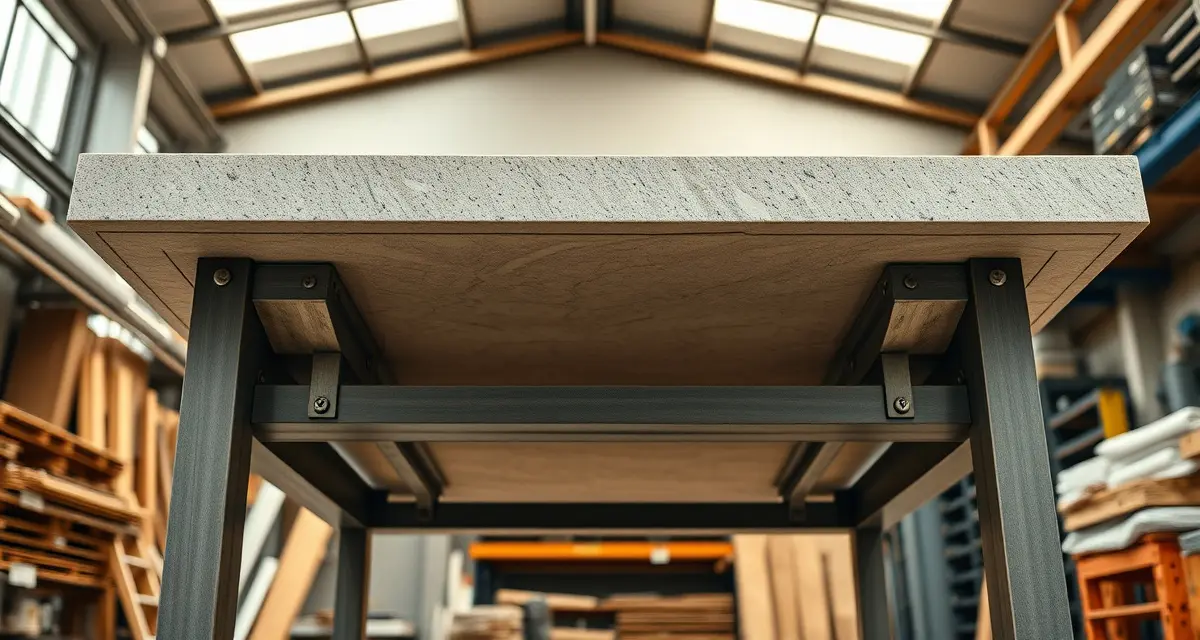
Island support refers to the structural framework, brackets, and reinforcement systems that hold a kitchen island countertop securely in place. Because island countertops often feature overhangs on multiple sides for seating, proper support engineering is essential to prevent cracking, movement, or failure of stone surfaces that can weigh 300-600+ pounds.
TL;DR
- Island support includes the cabinetry base, brackets, corbels, and any hidden steel reinforcement beneath the countertop
- Kitchen islands typically require support when overhangs exceed 10 inches on any side
- A standard 8-foot granite island top weighs 350-500 lbs, demanding serious structural backing
- Support options include concealed steel brackets, corbels, half-walls, and integrated steel frames
- Improper island support is one of the leading causes of countertop remakes
- Support requirements vary by material: marble needs more frequent support than quartz
- Proper documentation during templating prevents installation failures
Why Island Support Is Critical for Fabricators
Kitchen islands are the centerpiece of modern kitchen design, and they create some of the trickiest structural challenges in countertop fabrication. Unlike perimeter countertops that sit on continuous cabinet runs with a wall behind them, islands are freestanding. Every overhang is unsupported from below unless you add it.
Calculate your material waste savings
See exactly how much slab material and money you could save with optimized cutting layouts.
Try the free Waste CalculatorThe financial stakes are real. A cracked island top made from a premium quartzite or exotic granite can cost $3,000-$6,000+ to replace, not counting labor, scheduling disruption, and customer goodwill. For fabrication shops averaging 2-4 remakes per month, island failures represent a disproportionate share of those costly do-overs.
Types of Island Support Systems
Concealed Steel Brackets
The most popular choice for modern kitchens. Steel flat bars or L-shaped brackets mount to the top of the island cabinet box, extending outward to support the overhang. They remain invisible once the stone is set.
| Bracket Style | Typical Load Rating | Max Overhang | Price Range |
|---|---|---|---|
| Flat steel bar | 150-300 lbs | 12-14" | $40-$80 each |
| L-bracket heavy duty | 300-500 lbs | 16-18" | $60-$150 each |
| T-bracket system | 500-750 lbs | 18-24" | $100-$200 each |
Decorative Corbels
Traditional wood or iron corbels that visibly support the overhang. They add a design element while carrying load. Typical spacing is 24-30 inches apart.
Knee Walls / Half-Walls
A short wall (usually 12-18 inches tall) built on the overhang side of the island. This provides continuous support across the full span and eliminates the need for individual brackets. Common in islands with 18-24 inch overhangs.
Integrated Steel Frame
For large islands (10+ feet) or heavy materials, a welded steel frame sits inside the cabinet structure. The frame distributes weight evenly and can support massive single-piece or multi-piece stone installations.
Support Requirements by Material
Not all countertop materials respond the same way to unsupported spans. Here is a practical guide:
| Material | Max Unsupported Overhang | Recommended Bracket Spacing |
|---|---|---|
| Granite (3cm) | 10-12" | 24" max |
| Quartz (3cm) | 10-14" | 28" max |
| Marble (3cm) | 6-8" | 20" max |
| Quartzite (3cm) | 10-12" | 24" max |
| Ultra-compact (Dekton, Neolith) | 8-12" | 24" max |
| Porcelain (12mm) | 6" | 18" max |
These numbers assume the stone is in good condition with no existing fractures, fissures, or structural weak points. For natural stone with visible veining or geological inconsistencies, reduce maximum spans by 20-30%.
Island Support and the Fabrication Workflow
During Sales and Quoting
The quote should specify the island overhang dimensions and the type of support included - or excluded. Many shops include standard brackets in island pricing, while decorative corbels or steel frames are quoted separately. Being explicit here avoids disputes later.
During Templating
The templater must measure and document:
- Cabinet box dimensions and top rail locations
- Existing bracket locations and types
- Overhang dimensions on all sides
- Any plumbing, electrical, or vent penetrations that affect bracket placement
Digital templating systems capture these measurements with millimeter accuracy, which feeds directly into the fabrication and nesting process.
During Fabrication
Island tops are often the largest single pieces in a kitchen project. The nesting software must account for the full dimensions, seam locations (if applicable), and any cutouts. AI-powered nesting tools can optimize slab usage so fabricators get the most out of expensive stone while ensuring pieces fit the island's support structure.
During Installation
The install crew must verify:
- All brackets are secured to the cabinet frame (not just to a plywood subtop)
- Bracket spacing matches the fabricator's specifications
- The cabinet is level - shimming as needed
- No bracket interferes with sink cutouts, cooktop openings, or undermount hardware
Common Island Support Failures
Plywood-Only Support
Some contractors assume a sheet of 3/4" plywood across the cabinet tops is sufficient support for an overhang. It is not. Plywood will flex under a point load, and over time it can sag, transferring stress to the stone above.
Insufficient Bracket Count
Skipping a bracket or two to save $100 is false economy. If a 10-foot island needs five brackets and only gets three, the unsupported spans become stress concentrators that eventually cause a crack.
Ignoring Material Weight
A 10-foot island top in 3cm granite at 25.5" depth weighs roughly 450 lbs. Add a waterfall end and that number goes up. The support system must be engineered for the actual weight, not a rough guess.
Late Changes Without Re-Checking Support
When a customer changes from a standard 10" overhang to a 15" bar-height overhang after templating, the support system must be revisited. Automated template verification can flag these dimensional changes before they become installation-day surprises.
Cost of Island Support
| Support Method | Approximate Cost | Notes |
|---|---|---|
| 4 concealed steel brackets | $200-$500 | Most common solution |
| 4 decorative wood corbels | $160-$600 | Varies by style and wood species |
| Knee wall construction | $300-$800 | Includes framing and finish |
| Welded steel frame | $500-$1,500 | For oversized or heavy islands |
These costs should be factored into every island quote. Eating them later is far more expensive than including them upfront.
FAQ
What is the maximum overhang for a kitchen island without support?
For 3cm granite or quartz, the standard guideline is 10-12 inches. Thinner materials and marble require support at shorter distances - 6-8 inches.
How many brackets does a kitchen island need?
For a typical 8-foot island with a 12" overhang on one side, plan on 3-4 brackets spaced 24-28 inches apart. Place one within 6 inches of each end.
Can I use plywood instead of brackets for island support?
Plywood alone is not a substitute for proper brackets. While a plywood subtop helps distribute load across the cabinet frame, it does not adequately support cantilevered overhangs beyond a few inches.
Do I need island support for a 2cm countertop?
Yes, and more of it. 2cm material is significantly weaker in bending than 3cm. Maximum unsupported overhang for 2cm stone is typically 4-6 inches.
What happens if island support fails after installation?
The countertop cracks, usually at the point of highest stress near the cabinet edge. Repair is rarely possible for natural stone - replacement of the cracked piece is the standard remedy, costing $1,500-$4,000+.
Should the fabricator or the contractor supply island brackets?
This varies by market. In many regions, the fabricator specifies the support requirements and the general contractor or cabinet installer provides and installs them. Clear documentation prevents finger-pointing.
How do I support a waterfall island edge?
Waterfall edges require both vertical and horizontal support. The vertical piece needs a strong bond (typically epoxy and rodding) and the horizontal piece still needs standard overhang support on any seating side.
Can hidden brackets support a breakfast bar overhang?
Yes. Heavy-duty concealed brackets rated for the appropriate load and overhang depth work well for breakfast bars. They keep the underside of the island clean and modern-looking.
What is the best support for a 24-inch island overhang?
At 24 inches, most fabricators recommend either a knee wall, T-bracket system, or a combination of heavy-duty concealed brackets with additional leg supports at the ends.
Do quartz islands need less support than granite?
Quartz has slightly more flex tolerance than granite, so it can span a few inches farther. But the difference is small - quartz islands still need proper support engineering for any significant overhang.
Keep Island Support Details Organized Across Every Job
Tracking overhang specs, bracket requirements, and material-specific support rules across dozens of active island jobs is a lot to manage on paper. SlabWise's template verification flags support issues automatically, and digital job packets keep your install crew informed on every detail. Try it free for 14 days.
Try These Free Tools
- Nesting Optimizer -- AI-powered slab layout that maximizes yield considering vein direction and defects.
- Defect Mapping -- Upload a slab photo and AI maps every fissure, pit, and color issue.
- Value Engineering -- Find dollar-quantified suggestions to save material without cutting margin.